
Journey of UNLESS Batch 3
Joining an UNLESS course is a long-ish commitment, both from parents and our young participants. And with the heat rising, we were glad that 9 participants committed to be a part of this deep learning process.
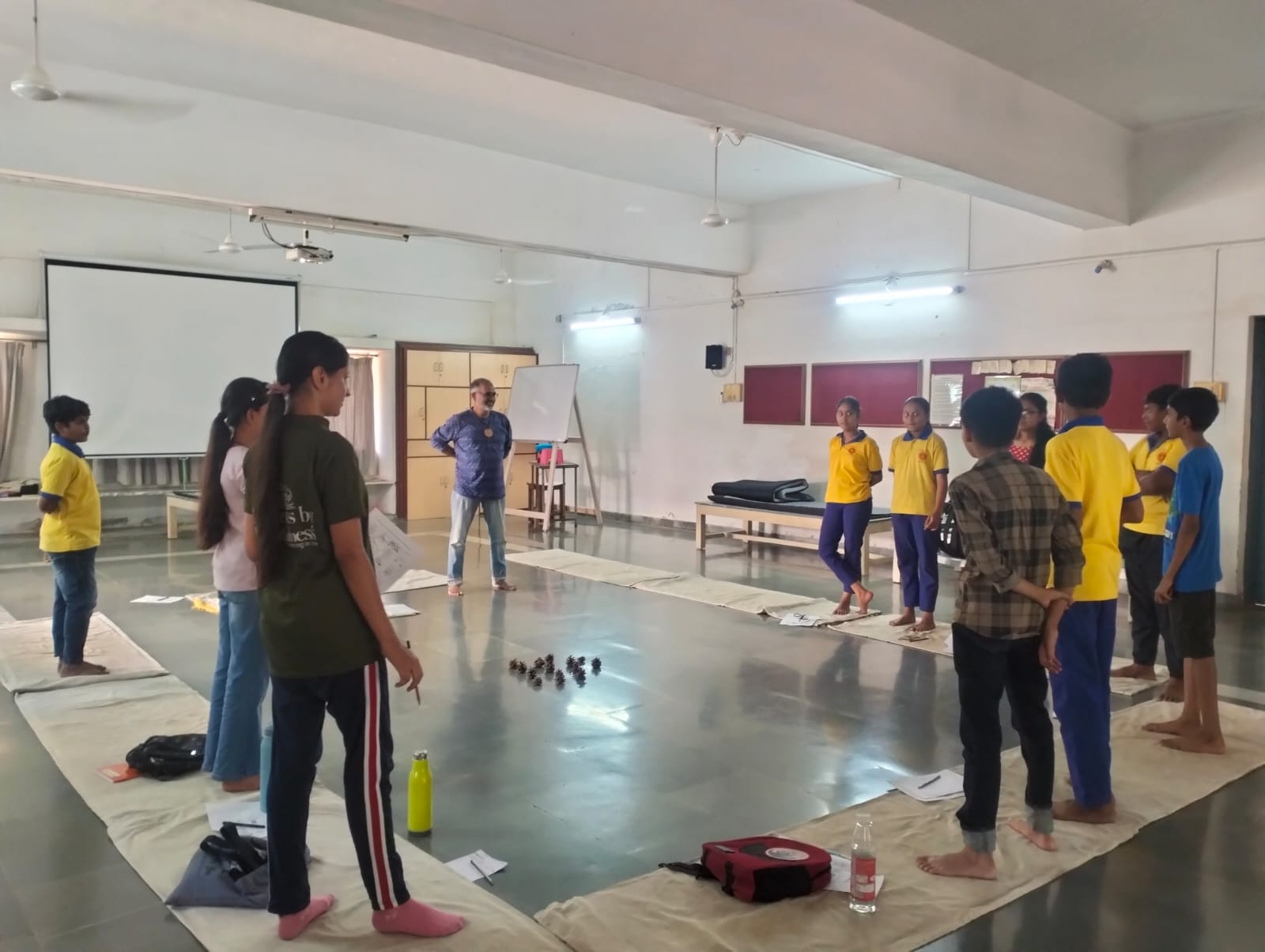
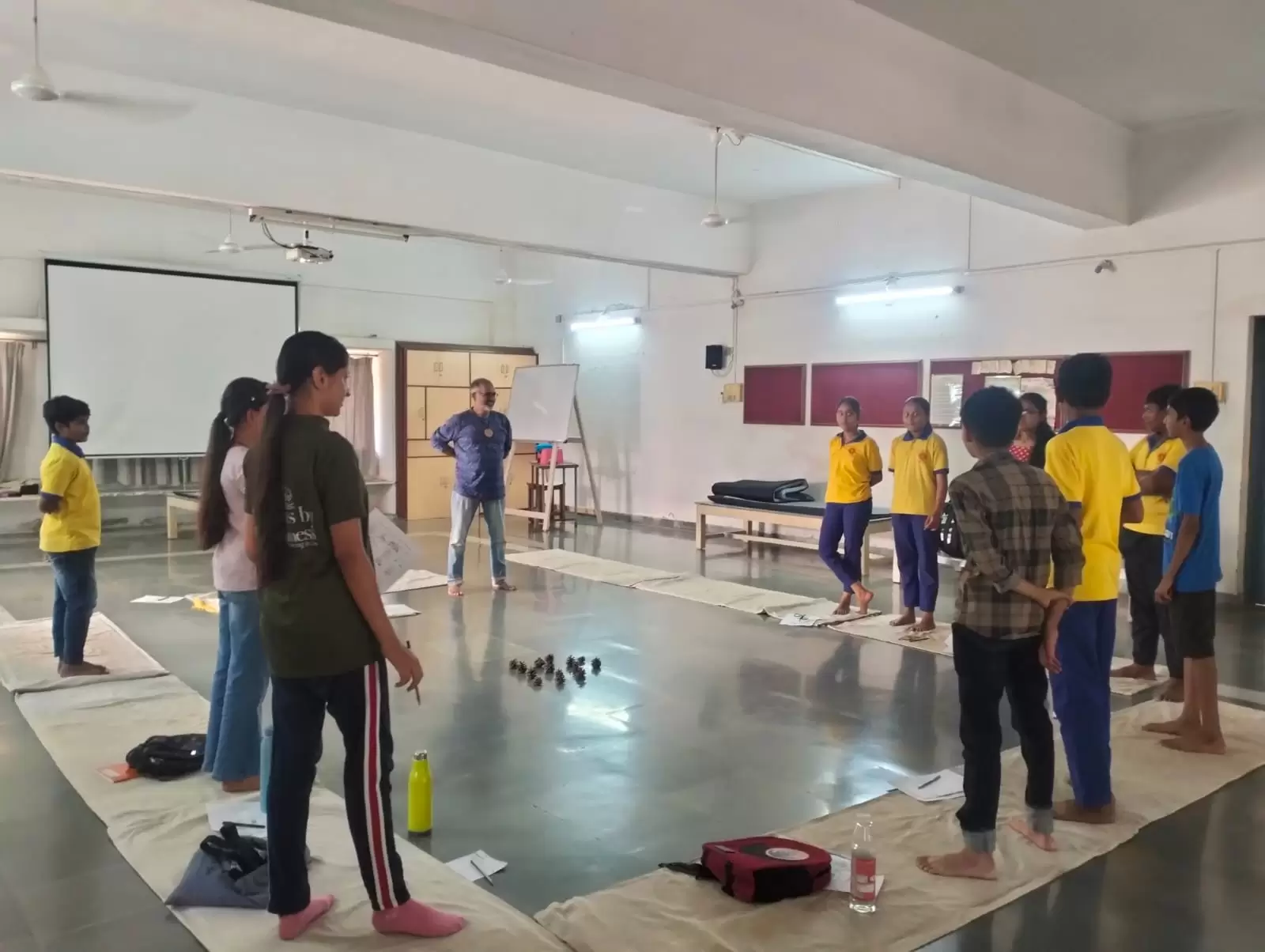
On Day 1, we were joined by the parents and a teacher of our participants from NGO Partner. A short parent –guardian orientation was held where the objectives and the purpose of the course was laid out for all. We then began with the day’s theme of Biodiversity, Ecosystems and Empathy for the Living Beings. We began with a short nature walk and followed that up with a nature bingo to allow participants to see, observe and feel the diversity of life around them. Since the idea was centered around building empathy for nature and all things living, a reflection circle helped participants align the thoughts. They could relate to the fact that life exists in beings other than humans and they have as much a right to living as human beings. Students
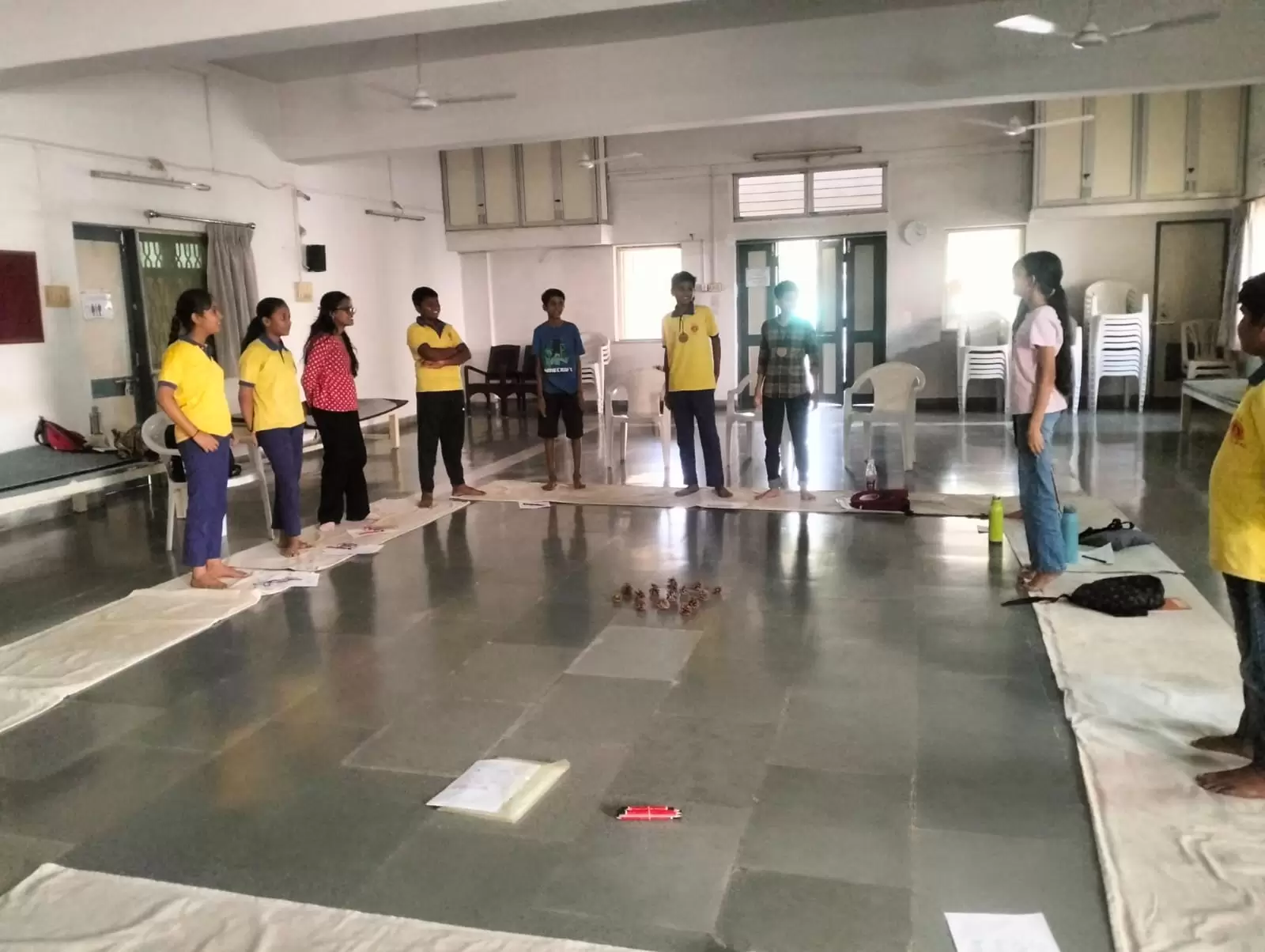
Having settled upon the fact that humans are just one out of the millions – approximately 1.5 million identified and millions yet to be discovered – of species that call this planet their home, we then moved to the idea of habitats and ecosystems and how each species have their own habitat to which they have adapted over thousands of years. We understand what ecosystem would mean for them and for multiple other species. The participants then looked at some of the biggest ecosystems in the world, the oceans and the deserts. We talked about the tropical rain forests and took the example of Amazon rain forest and it current status and how it might impact the species that call it home.
Day 2 was about understanding the planet as a system or nature as an interconnected web where each thing is connected to something else and hence changing one will impact the other somehow. We started with examples from everyday life and how a seemingly simple fan has many interconnected parts and taking off the one part might render it useless or less useful. We also looked at how an electronic circuit board has so many different parts and how a removal of just a single small part might cause a problem.
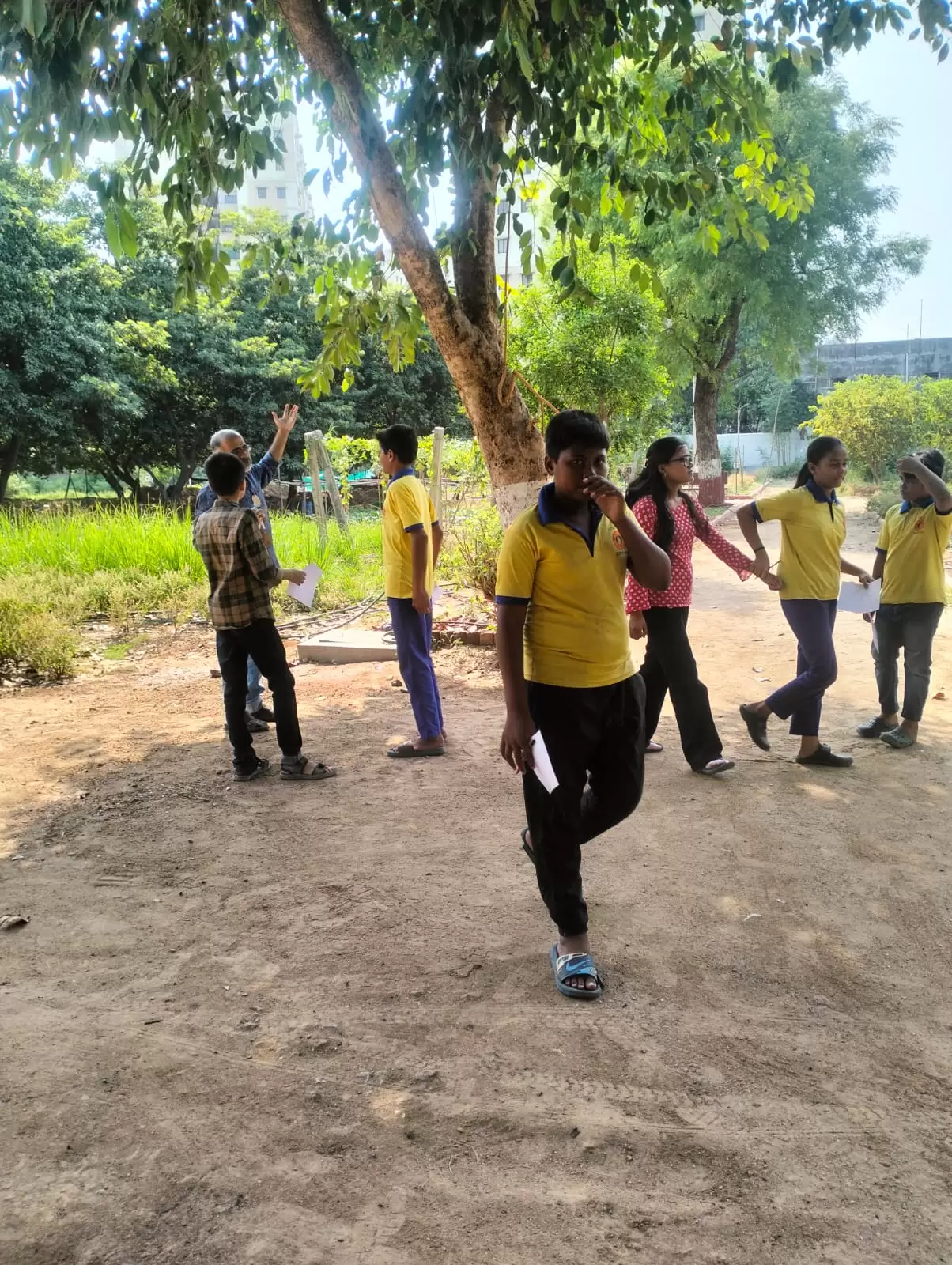
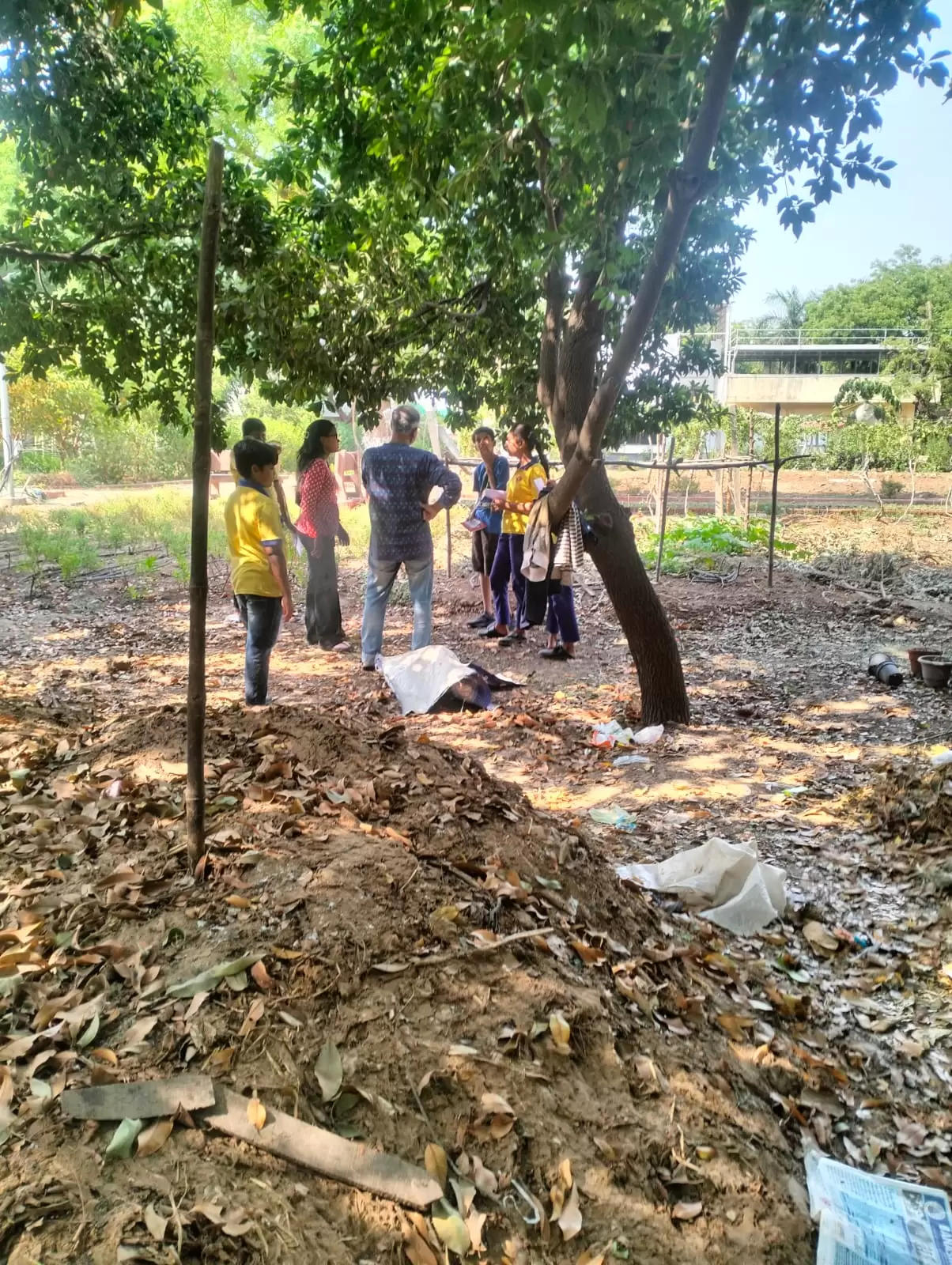
Out in the nature, participants sat comfortably on the swing and listened to the story of the wolves of Yellowstone and realized how removal of a keystone species might lead to overall imbalance in the ecosystem due to intricate interconnections. They listened with rapt attention and then one participant shared the story from China where they killed the sparrows to protect the grain in the late 1950s. We learnt about how it was a contributor to the Great Chinese Famine in which millions of people starved. And how China had to then import the sparrows to restore the ecosystem!! This highlighted to them the fragile balance of our ecosystems.
Post the stories, we were back to talk about the food webs in different ecosystems and how they might look like. Each participant drew a small food web and could see how a removal of a species could lead to an unintended consequence.
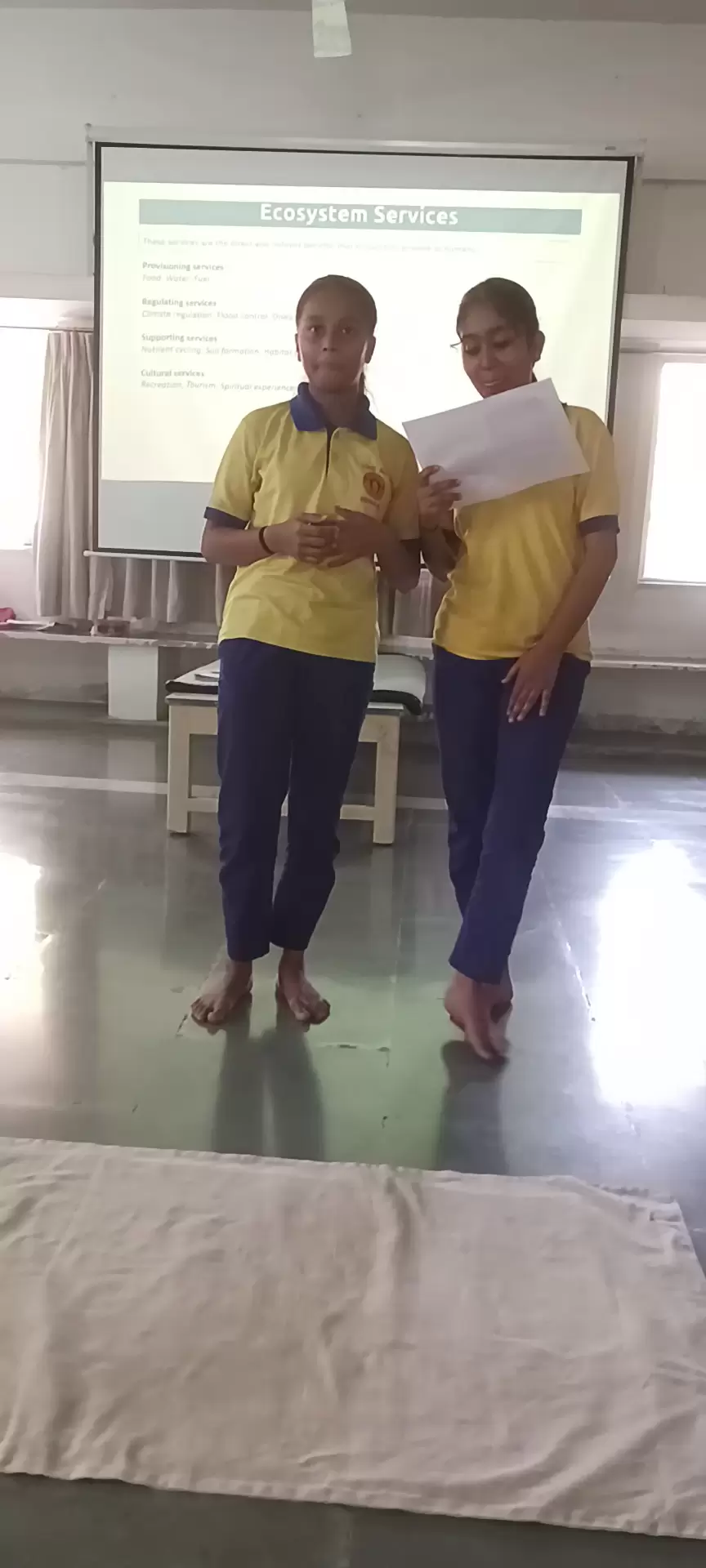
A final story for the day was about the vultures in India and how their numbers dwindled drastically during the late 1990s due to use of a veterinary drug, diclofenac.
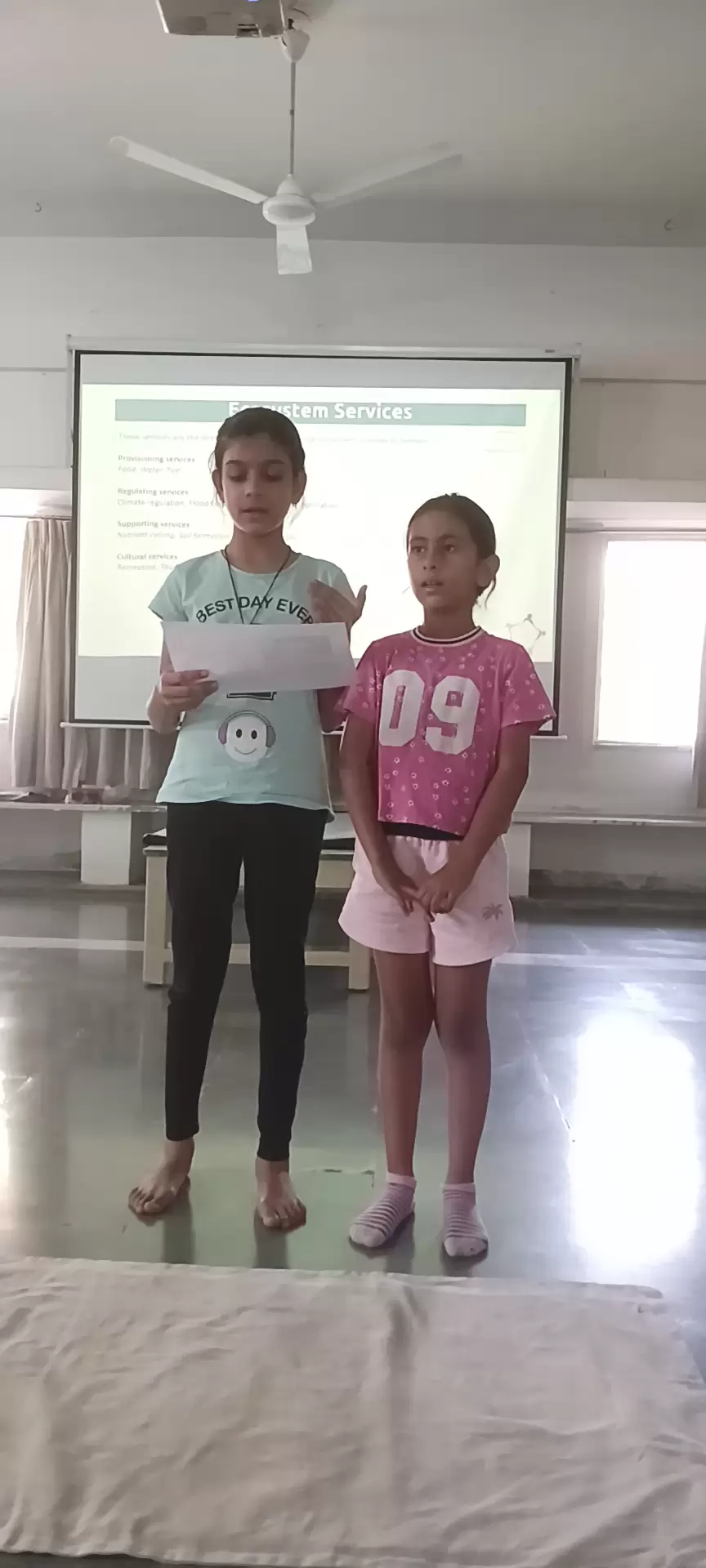
Day 3 began with the recollection of the past two days and the stage was set to understand the human impact on environment. We started with the ecosystem services and the resources provided by nature and how the human greed is raising consumptions and degrading the resources and the ecosystems for our gains. We looked at examples like the ocean trawling and how the deep sea fishing is contributing immensely to the degradation of marine life.
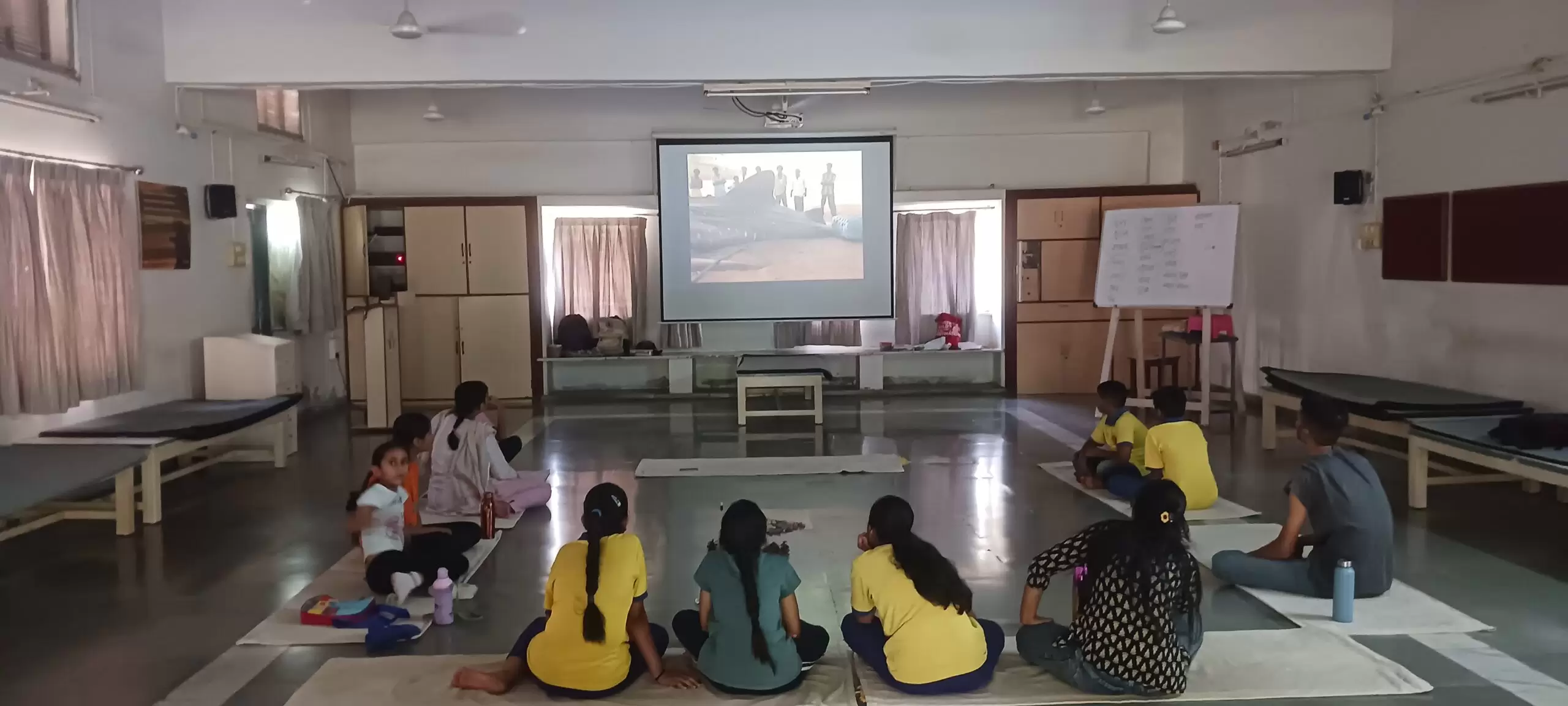
But the fact that not all is lost and there are people who are working towards saving what we have. We started with the example of Jadav Payeng and how he has been growing a forest for the past 46 years – planting trees since 1979 and still going strong!! We also looked at how conservation can look different for different people. So we looked at another example from Mike Pandey’s documentary “Shores of Silence” that led to a change in law by listing whale sharks under Schedule 1 of the Wildlife Protection Act and granting them same protection as crocodiles or tigers.
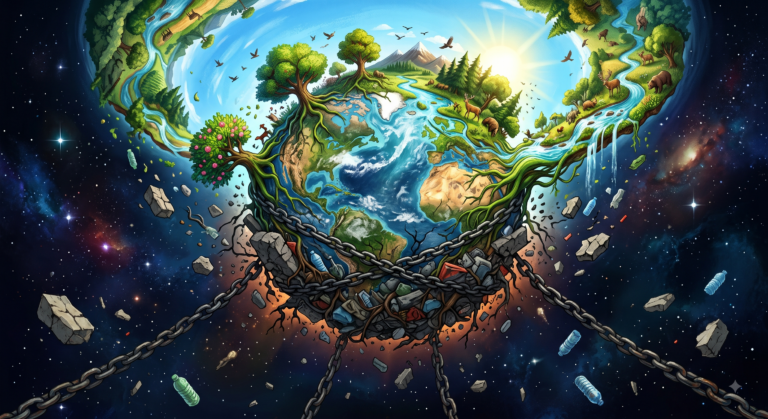
So while Day 3 was about possibilities and taking inspiration from people who have been doing work for the environment, Day 4 was about the role that each one of the participants could play in conserving nature. It was about moving from awareness to small actions. WE started with an understanding of the current global problems like global warming. We understood what global warming means, its causes and its consequences. The global consequences as well as consequences on everyday people – people who work in heat, people who are vulnerable, people whose homes and countries are at a risk of being submerged due to rising sea levels, the increasing intensity of forest fires, the impact in livelihoods and so on.
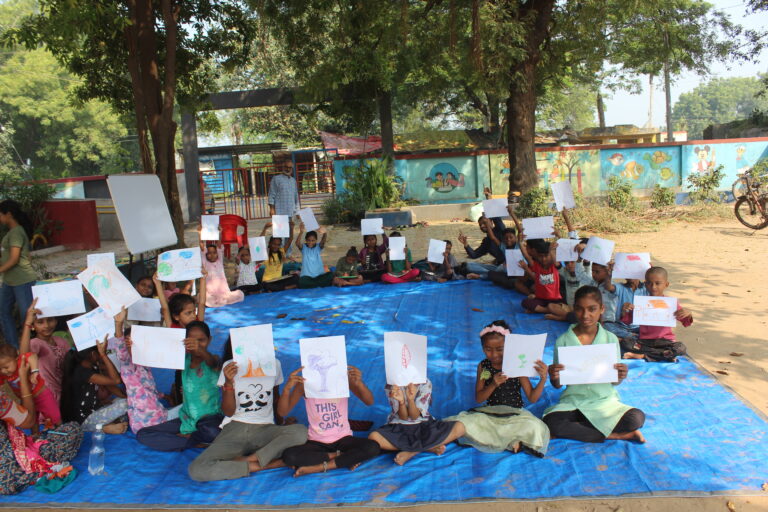
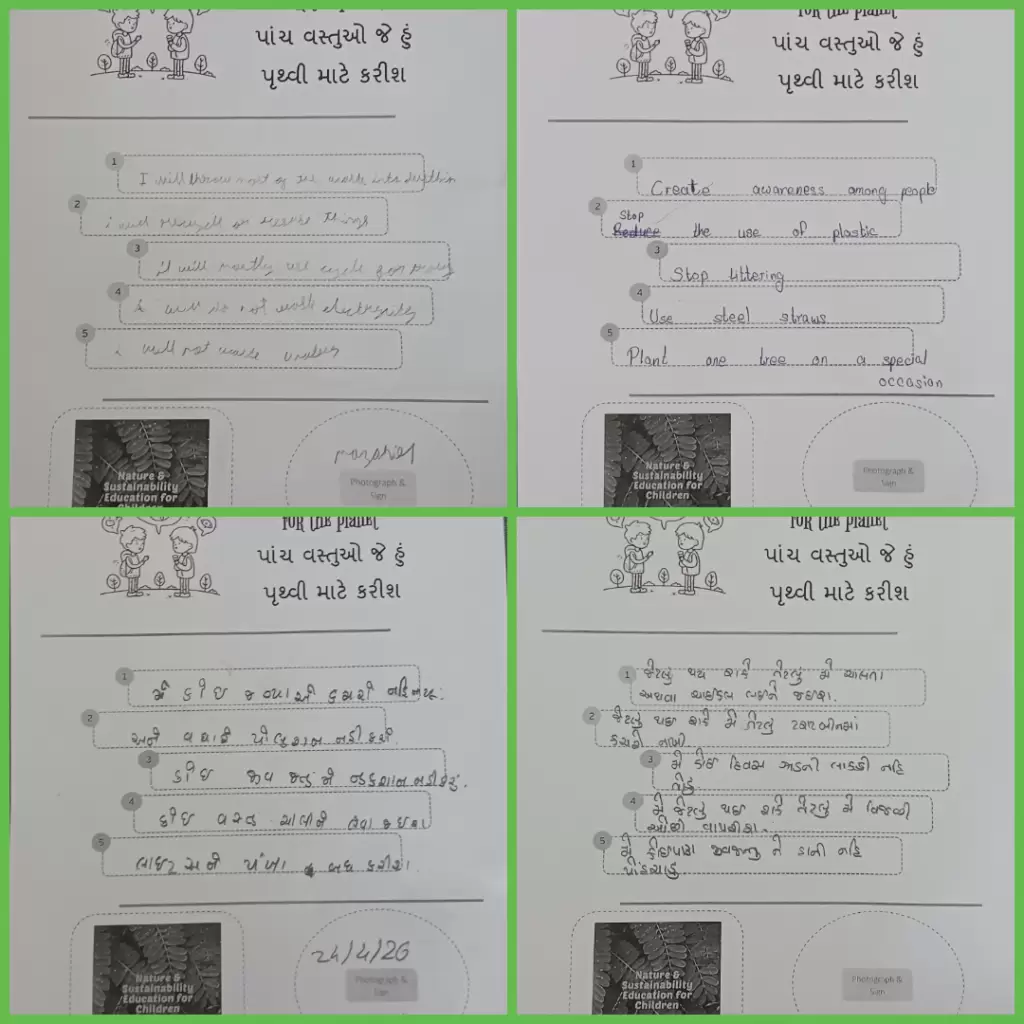
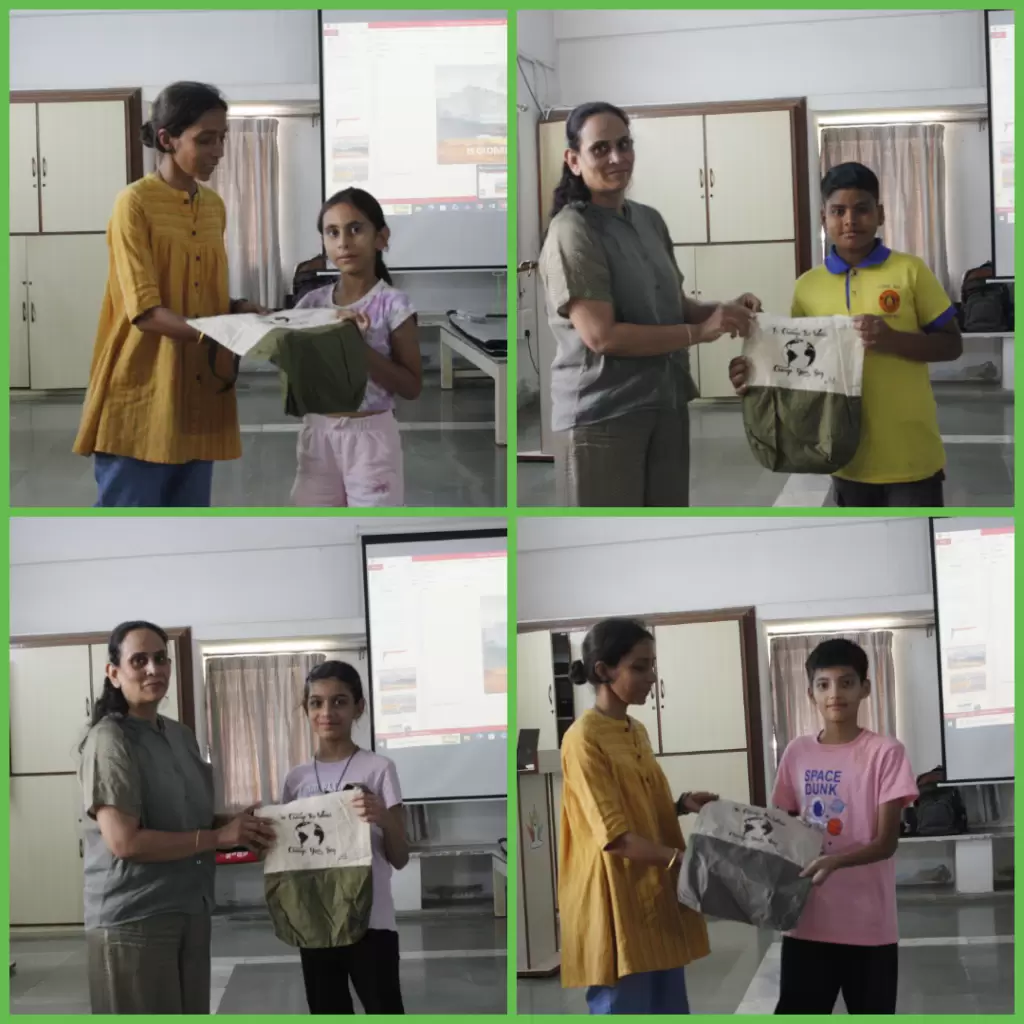
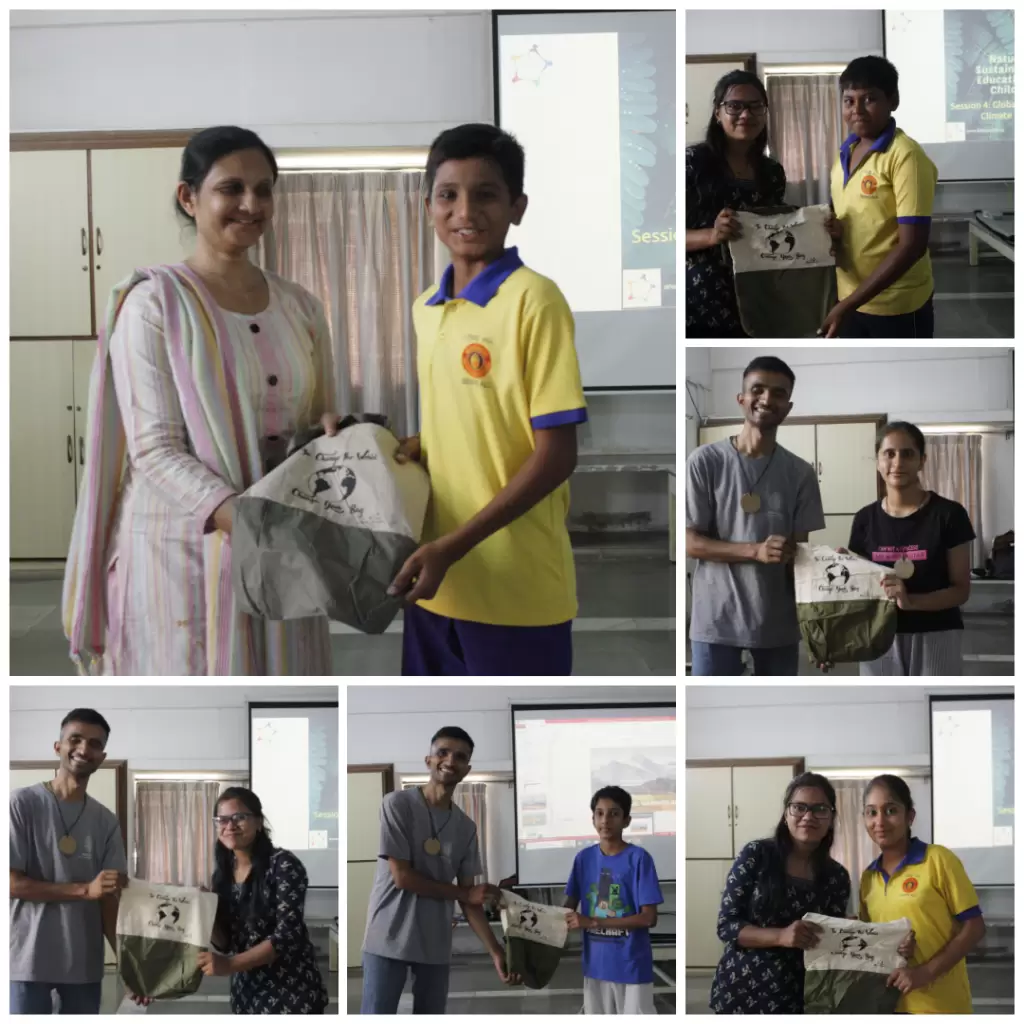
Children were then given a few suggestions on what they can work on and they shared 5 things that they would do for the planet. We ended with asking participants to take up a 14-day sustainability challenge to build the sustainability muscle. Certificates will be provided once the sustainability challenge is done with!!
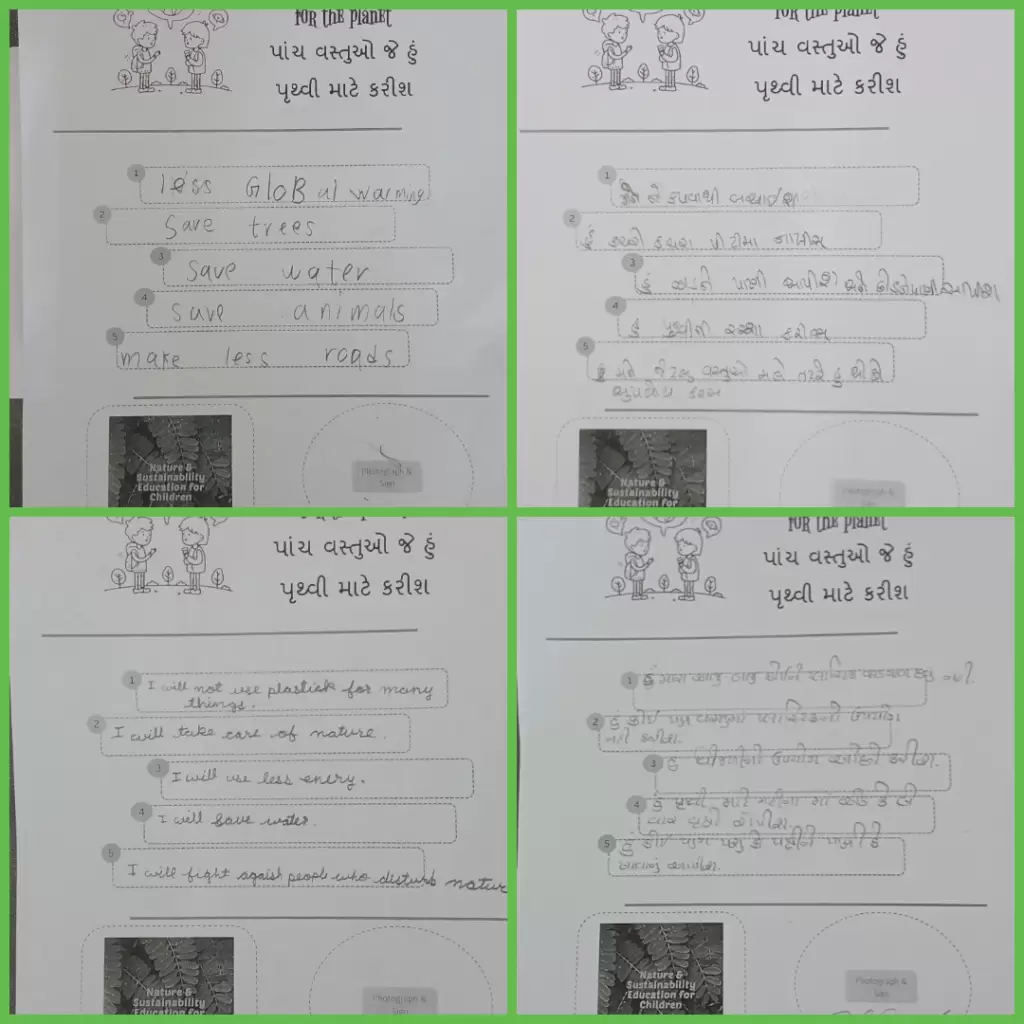
Over these 4 days of learning about the planet, about nature, about environment and about sustainability and conservation, we had some deep insights where we moved from participants talking about what humans receive from nature to thinking about other beings and empathizing with their fate as well. They began to truly care somewhere. And that was probably the biggest objective of the programme, because UNLESS someone cares, nothing will change.
If you are interested in the deep learning of the planet, nature, challenges, the conservation and human role, sign up for the next UNLESS Batch. We are doing a 2-day deep immersive session 4 hours each day. Happening on the 22nd and 23rd May 2026 (Dates subject to change).
Why a Programme Like UNLESS?
Like any other subject, understanding our planet– the environment, the nature and its bounties, the ecosystem services, the interconnecting web, the dependencies- takes time. Then getting a hang of the challenges that the environment faces from human causes is another time taking pursuit. Then dealing with the “everyone does it” attitude and then focussing on what can we do to be the change, it all takes time. Thus the need for longer duration programmes like UNLESS that help provide a deeper perspective, some time to reflect, some to introspect and some to discuss. Without the reflection and discussion and awareness building, we will still be just scratching the surface confusing global warming and climate change as one and the same thing!!