
A 3-Day Reflective Learning Session on Environment & Action
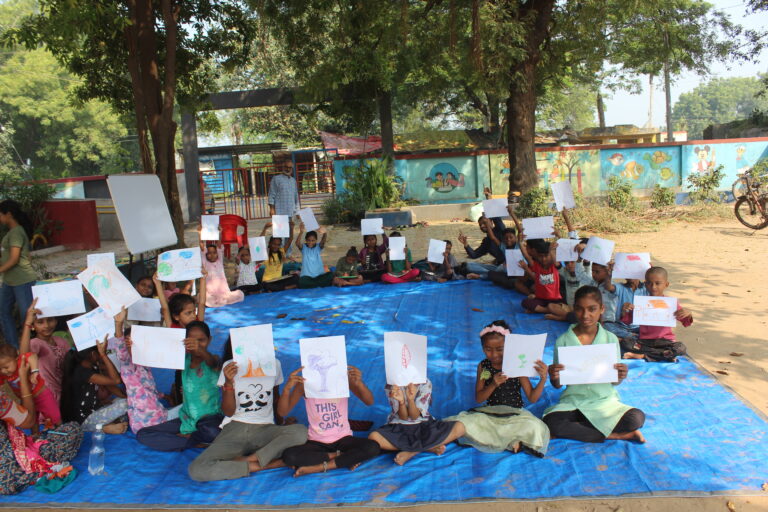
Facilitating a session with the young participants about the planet, its health and how our actions impact the planet, is always a pleasure. With participants who actively participate, the joy of facilitating increases manifold.
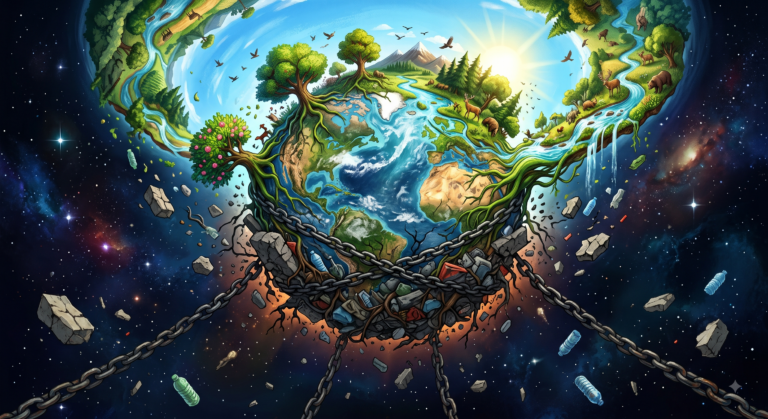
Today’s teenagers are growing up in a world shaped by the realities of Climate Change, biodiversity loss, and escalating waste crises. They are not just learning about these issues in textbooks, they are living them through rising temperatures, extreme weather events, water stress, and visible pollution in their daily lives.
A three-day session with the young participants gave us a chance to
1. Build System Thinking and critical thinking skills
2. Encourage responsible consumption and understanding sustainability
3. Bridge the gap between knowledge and action
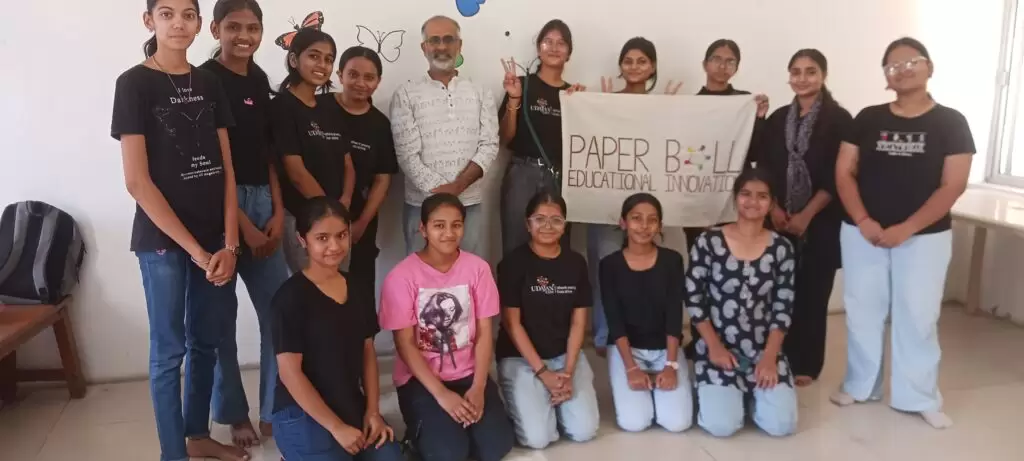
We got a chance to interact for 3-days with participants who opted to join session on environment without knowing in detail what they were to get out of these sessions. These 23 participants were from our NGO Partner Udayan Care that runs a fellowship program Udayan Shalini Fellowhsip (USF).
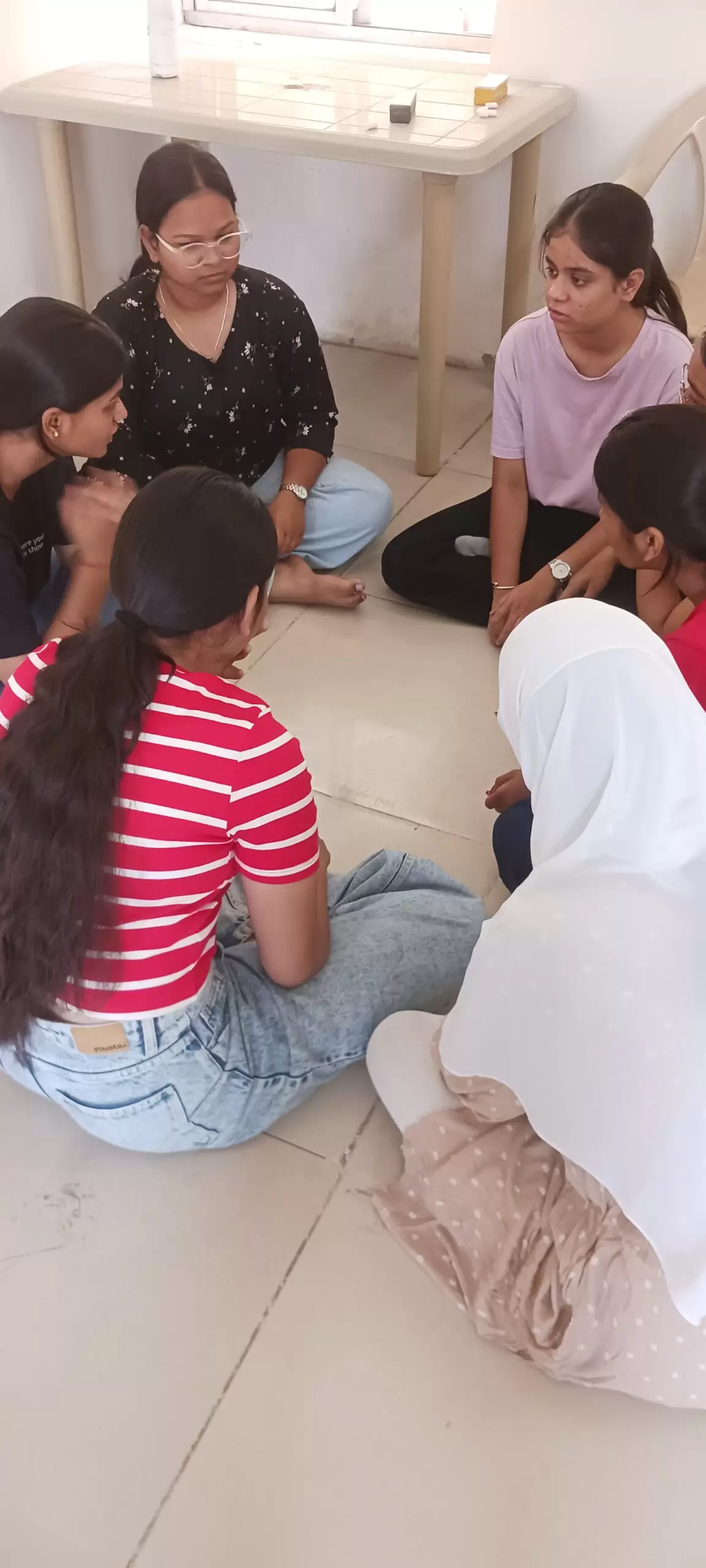
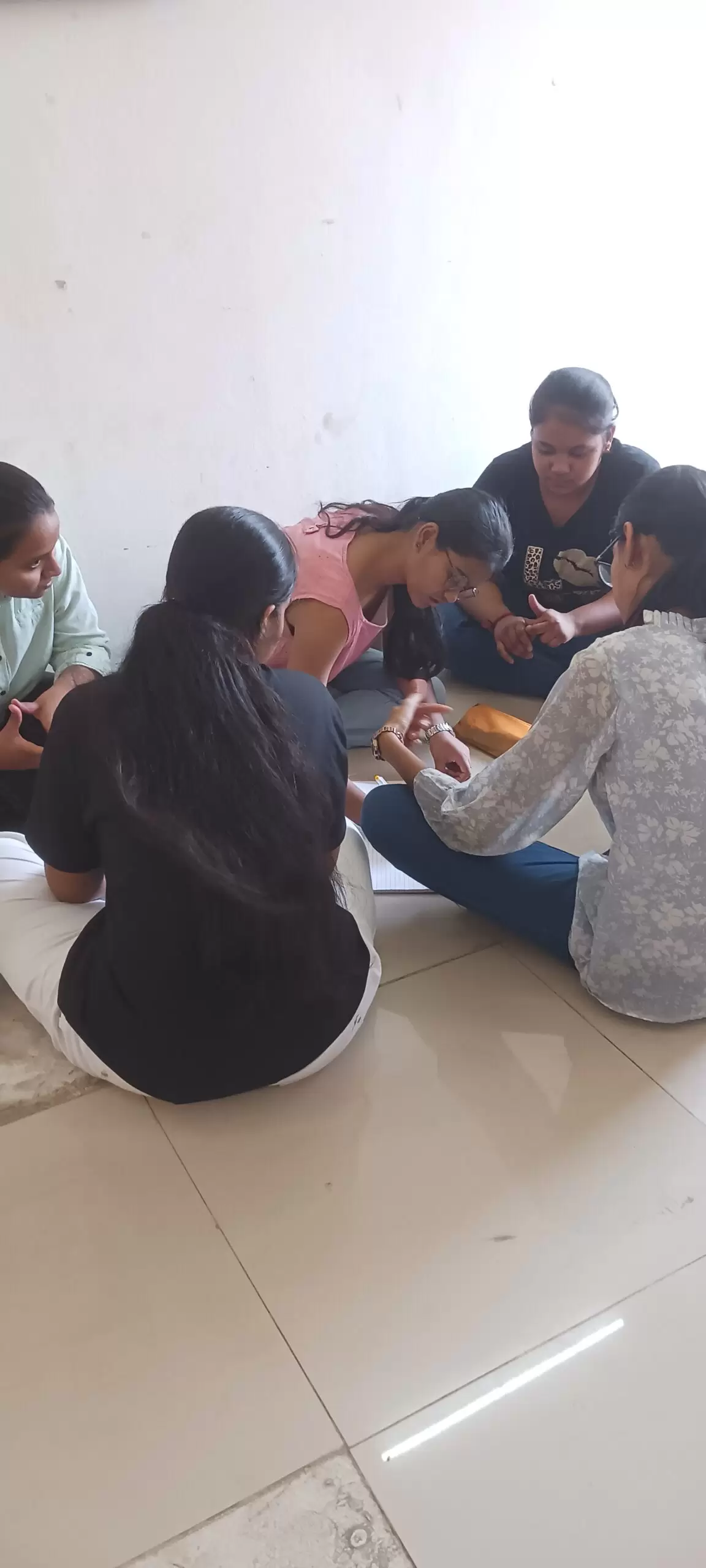
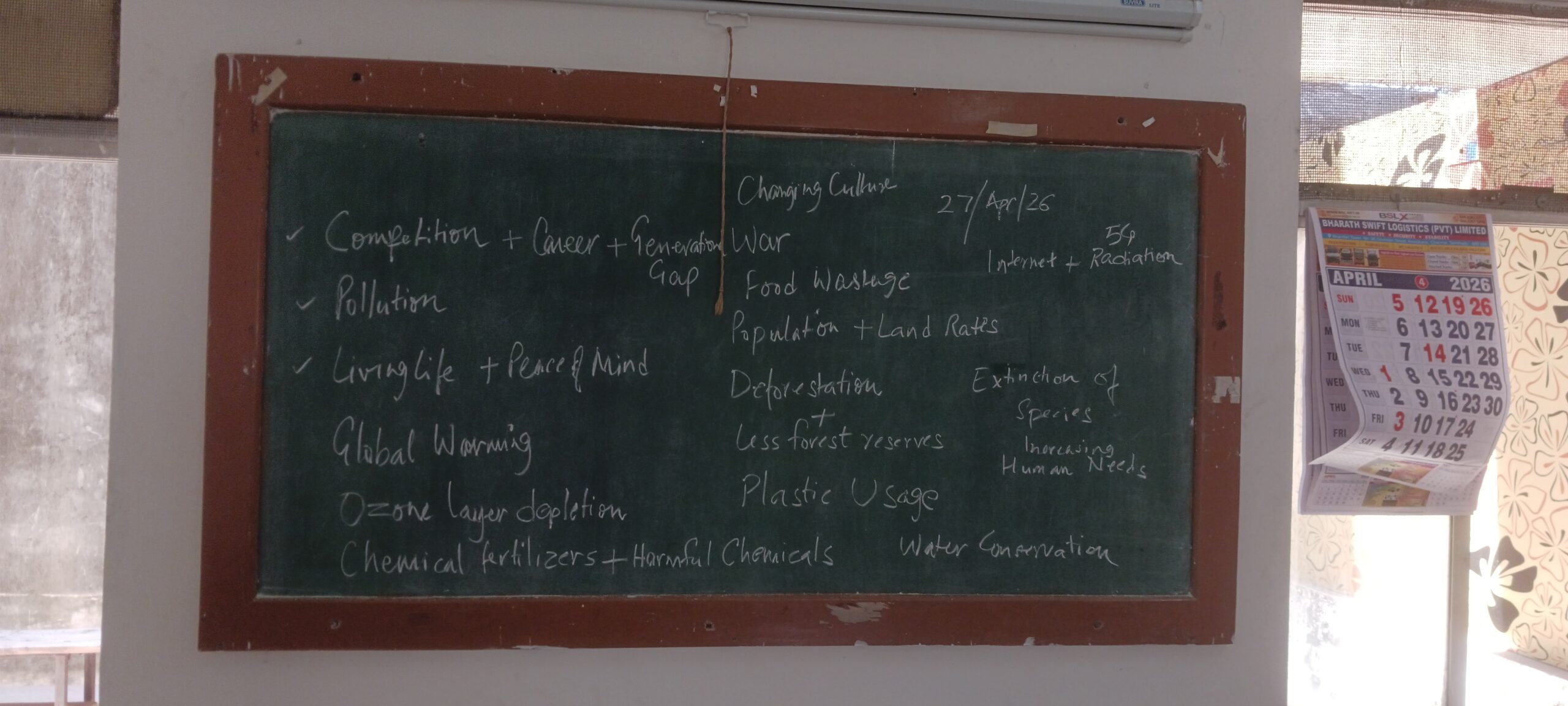
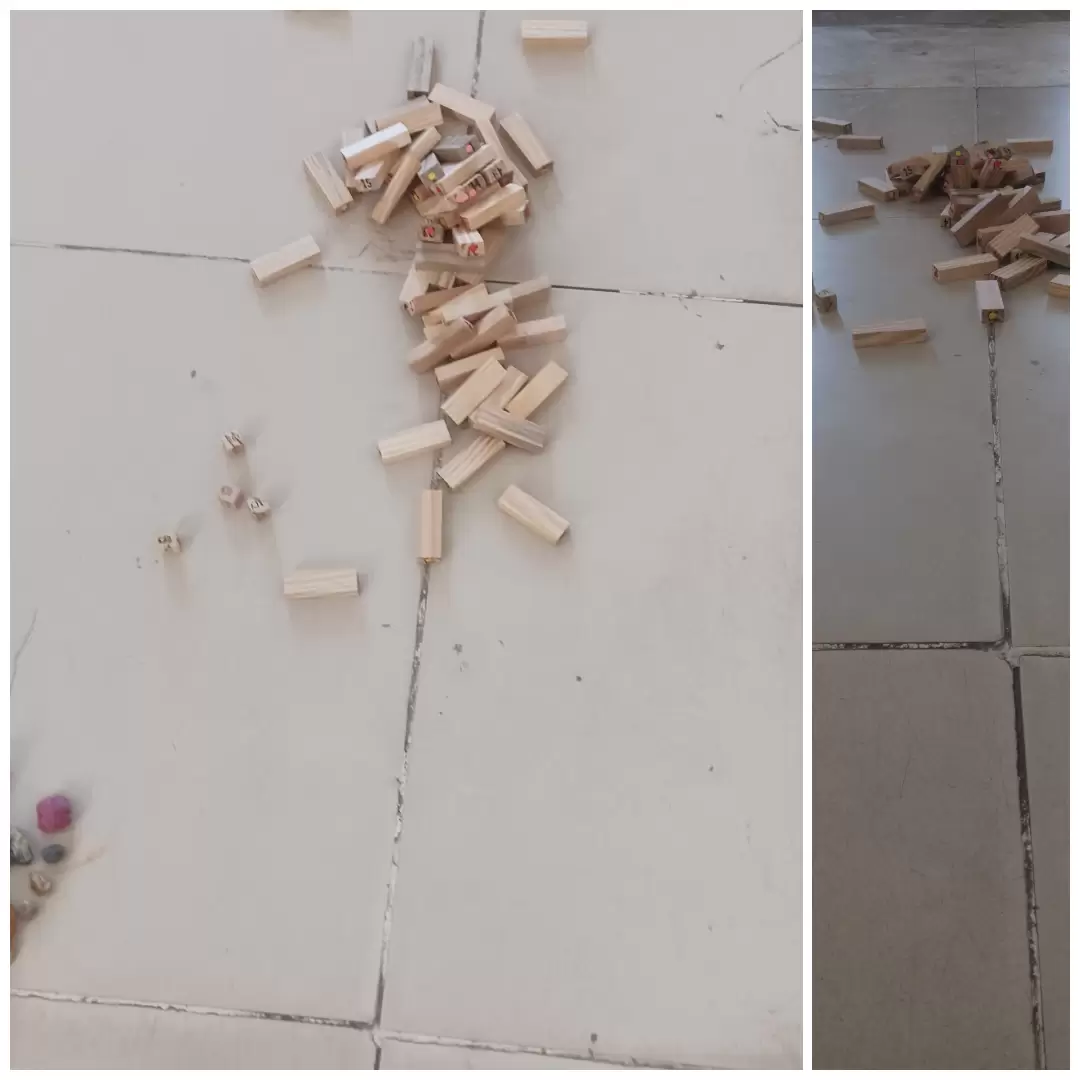
On Day 1, our focus was on building the system thinking so that the participants may understand and began to appreciate the interconnections between aspects that we do not think much about or that do not seem to have anything in common. The participants were given a chance to think about different topics as a group and then to see if any connection exists between them. The participants could began to see how seemingly disparate items began to show hidden connections. To help them with appreciating systems, we moved to a short activity that allowed them to see that when one part moves or shifts in a system, it is likely to impact several other parts as well, thereby understanding that the planet is a large system with millions of parts that are connected to each other in an intricate manner and although we might sometimes be able to see direct connections, we will miss out on the indirect connections in the intricate web. A few examples from across the globe set the tone further.
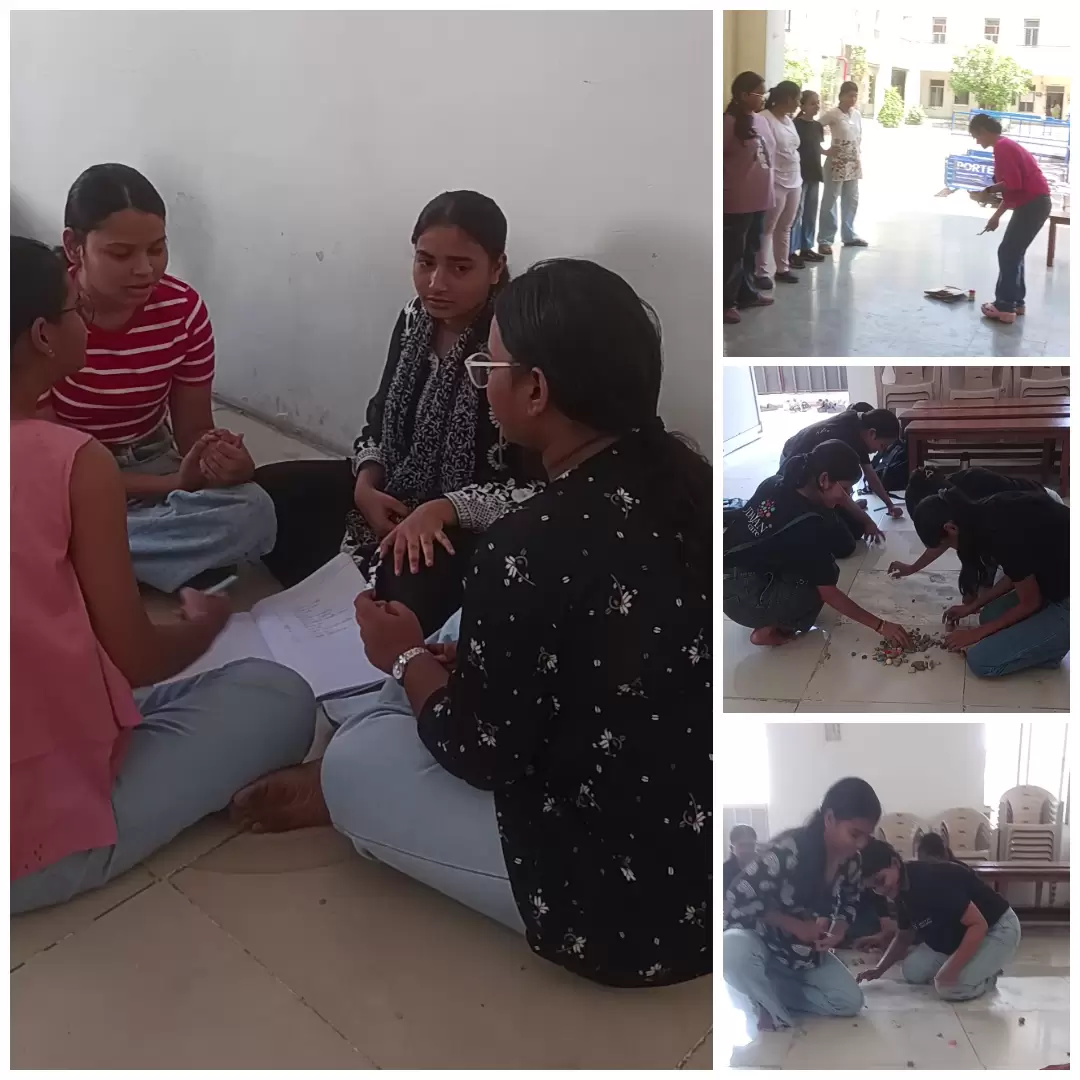
With the session’s theme being “Seeing the Invisible: Understanding Our Impact”, the participants were then asked to think about items that they buy on a regular basis and then map out the different areas / geographies / people / emissions etc. that a single item can touch upon. A couple of examples later, the participants went off in groups to see how a simple single product can have a large footprint and can touch so many dimensions. This further allowed them to appreciate interconnected web on the planet. The activity also allowed to introduce carbon emissions and the concept of global warming here.
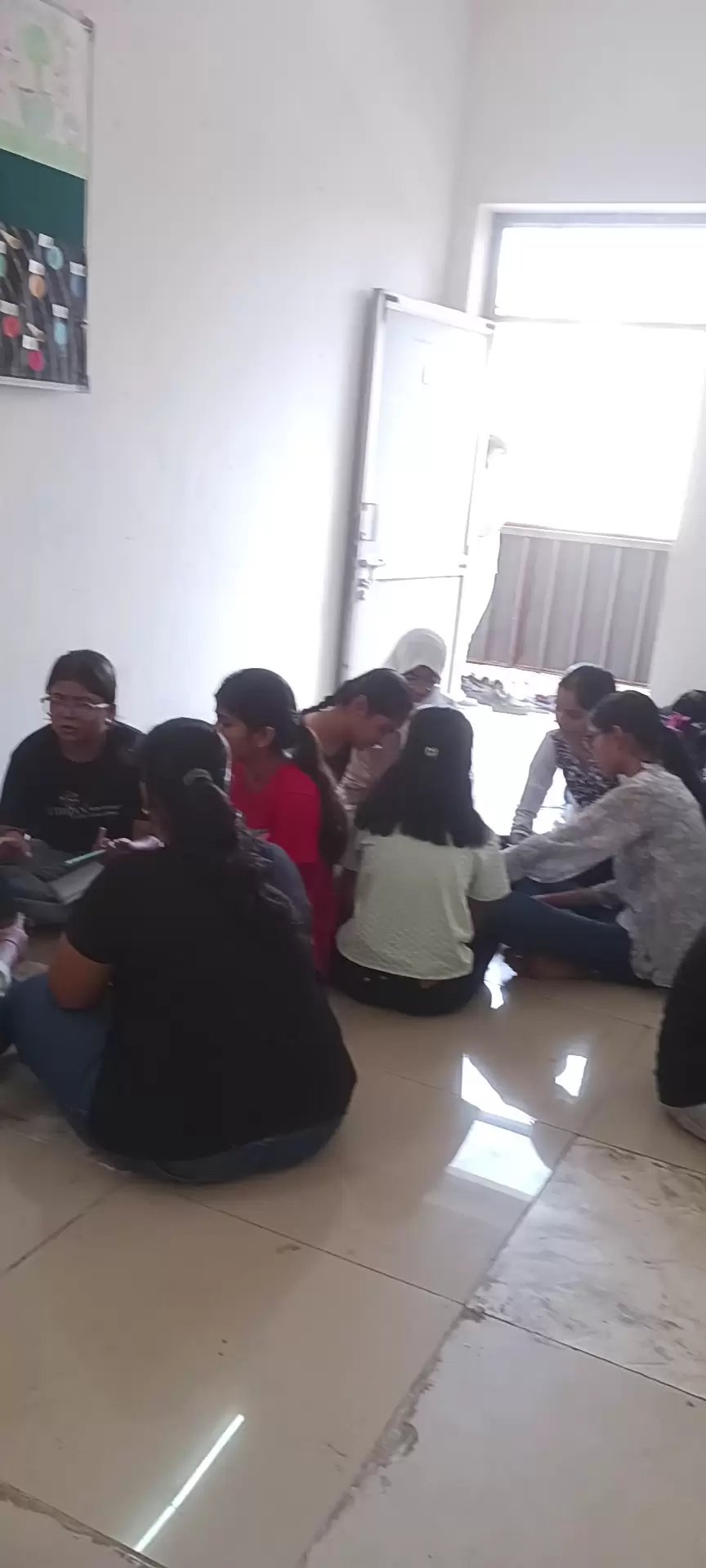
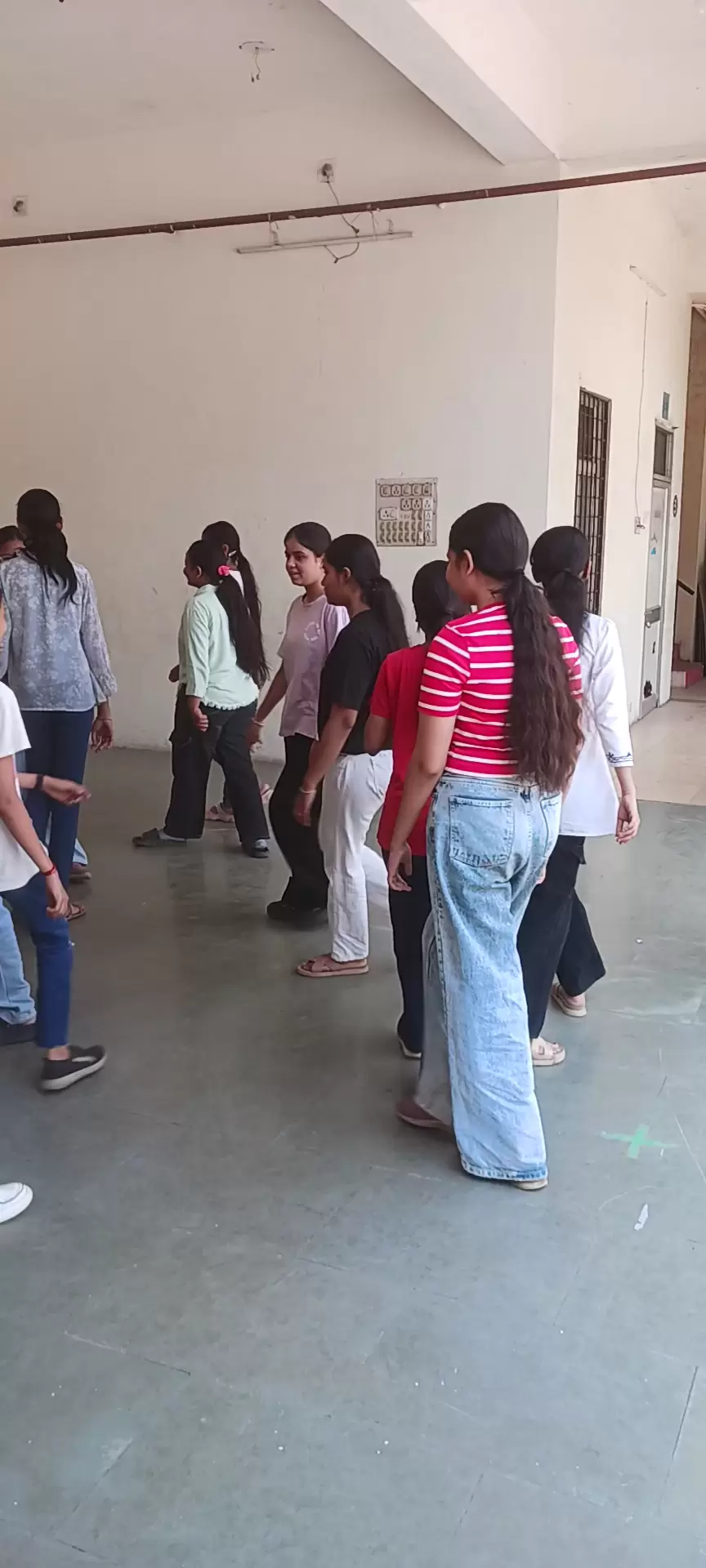
On Day 2, we went in with the theme of waste and the lifecycle of products. Through an activity we brought in different types of dry waste to help participants see the vast variety of waste that we can generate. Quite a few participants were already aware of where the waste they produce ends up – in landfills. To further allow them to understand the type and quantum of waste we generate, a small video was also shown about dumping site in Delhi. Then students were asked to segregate a pile of waste into recyclable and non-recyclable. The explanation to the activity helped them see that so many of the daily products that we generally believe to be recyclable are actually non-recyclable. And that, therefore, they are very likely to end up in landfills, or in oceans or burnt away.
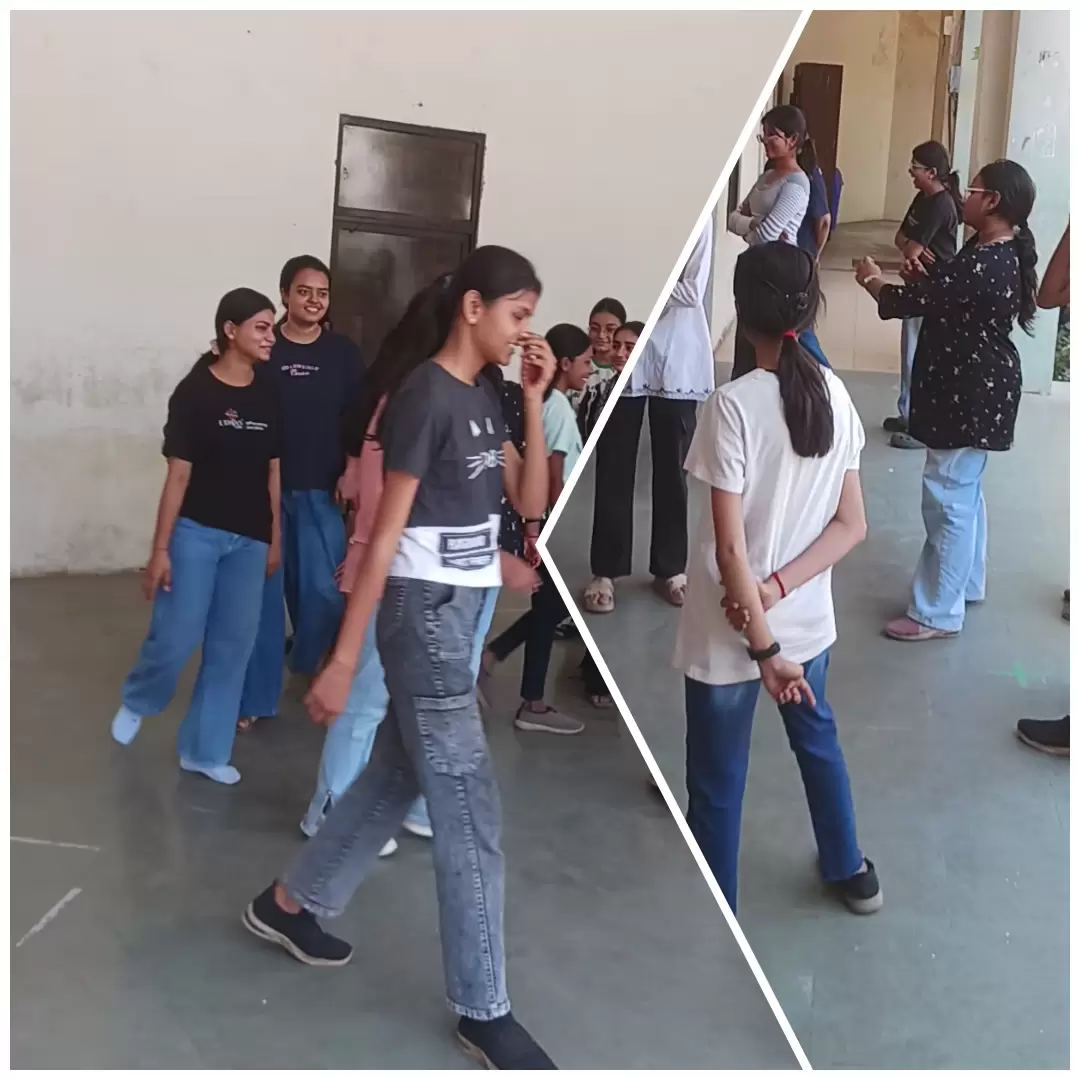
Later, we connected waste with global warming and what climate change actually means. This corrected a few misconceptions around ozone layer and global warming. They could now clearly see global warming as a cause of climate change and that the world is facing consequences of global warming in multiple forms. We spoke about the island nations that are facing the threat of being submerged due to rising sea levels and the increasing number of heat wave days in India and its impact on health and thus the interconnections to jobs, livelihoods, education and other things.
Day 3 was summing up of the learning and about the world that we visualize. But before that there was more. We began with appreciating the resources provided to us by nature. The participants, then role played as different countries out to get the most resources and they could see that the finite and limited resources will end at the current rate and state of consumption. They further saw how breaching of planetary boundaries is leading to the collapse of fragile interconnection and causes imbalance & breakdown of the planet’s natural systems.
The participants then got a chance to visualize a world that they would want to inhabit. This provided a lot of insights into their current vulnerabilities and thought pattern. There were not just thoughts around environment but around civic sense too. We also got a chance to delve on what development would mean to them – this we did by posing a question to put them in a dilemma.
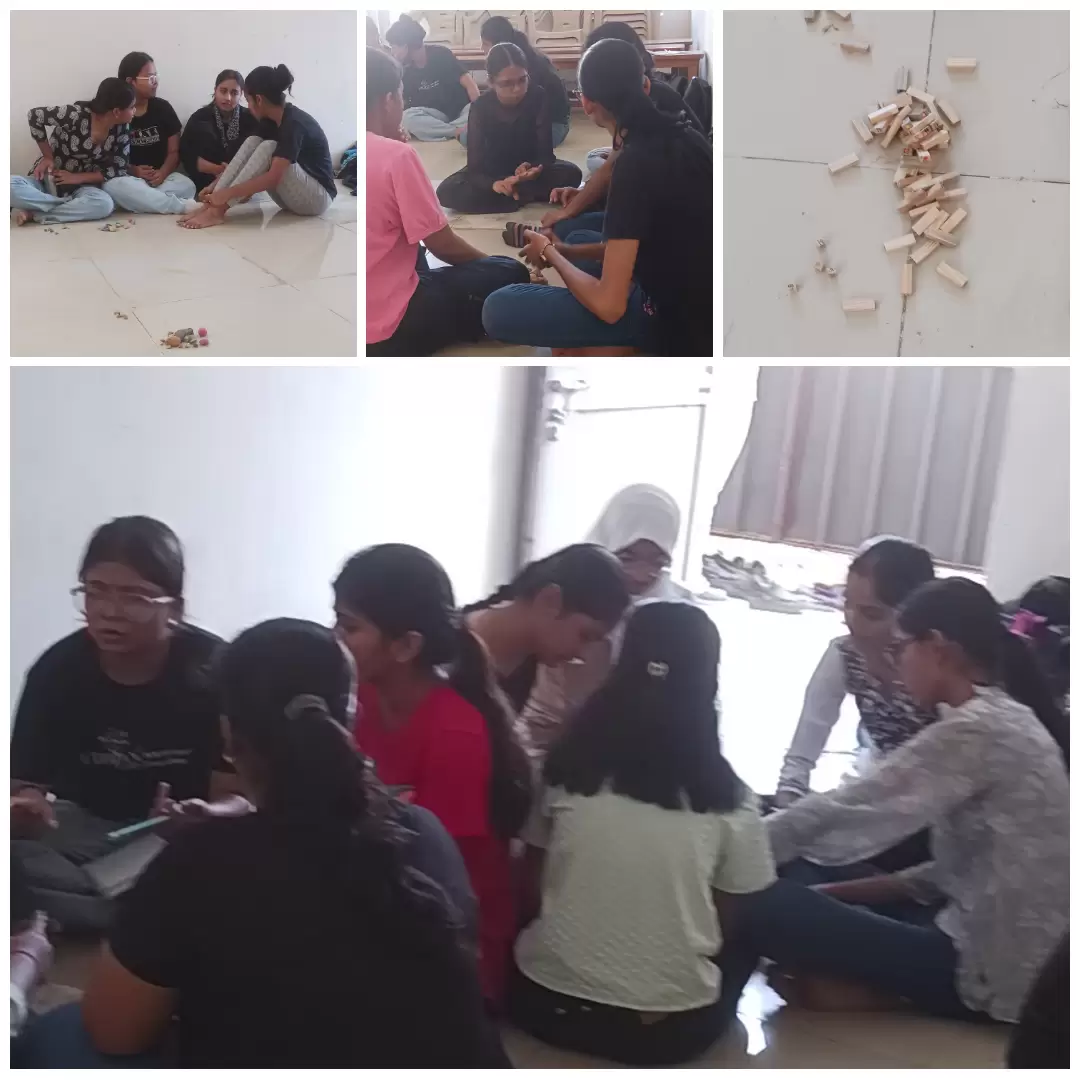
The quality of interaction with the participants remained high with most of the participants actively participating and sharing their thoughts without any fear. The three-day session could allow us to raise their awareness about the issues and although they did say “What will happen by us doing the right thing, when others will continue the present actions”, this is a prelude to change. We intend to be in touch with this group online to keep nudging them further.
Why Longer Programmes?
Like any other subject, understanding our planet– the environment, the nature and its bounties, the ecosystem services, the interconnecting web, the dependencies- takes time. Then getting a hang of the challenges that the environment faces from human causes is another time taking pursuit. Then dealing with the “everyone does it” attitude and then focussing on what can we do to be the change, it all takes time. Thus the need for longer duration programmes that help provide a deeper perspective, some time to reflect, some to introspect and some to discuss. Without the reflection and discussion and awareness building, we will still be just scratching the surface and thinking that consumption is not an issue as long as we are able to recycle it!! We bust myths in longer programmes 🙂