
Clean-Up To Clean Up Our Act
Clean-up Drives are quite frankly about cleaning up our act – where “our” refers to the human beings.
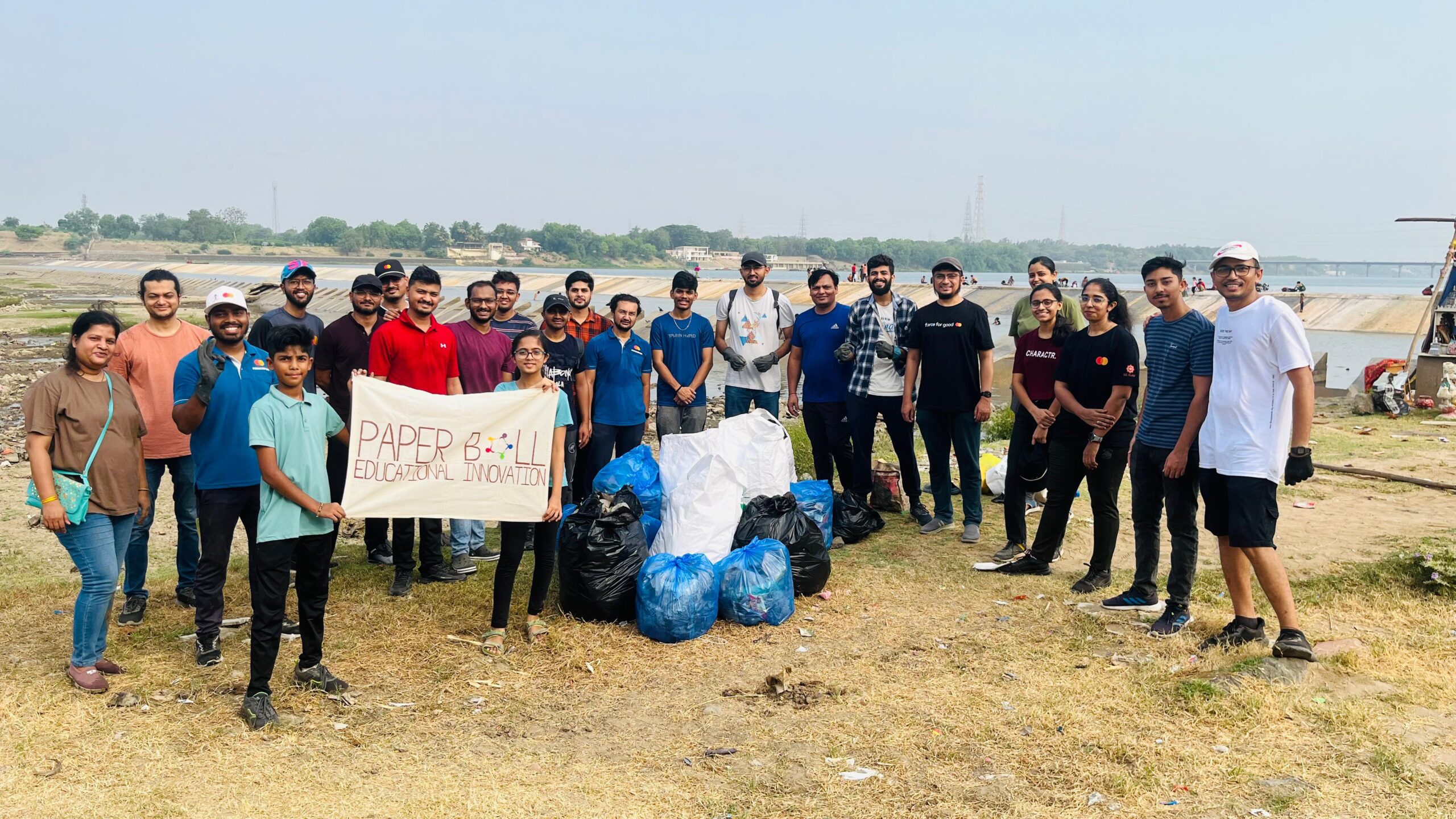
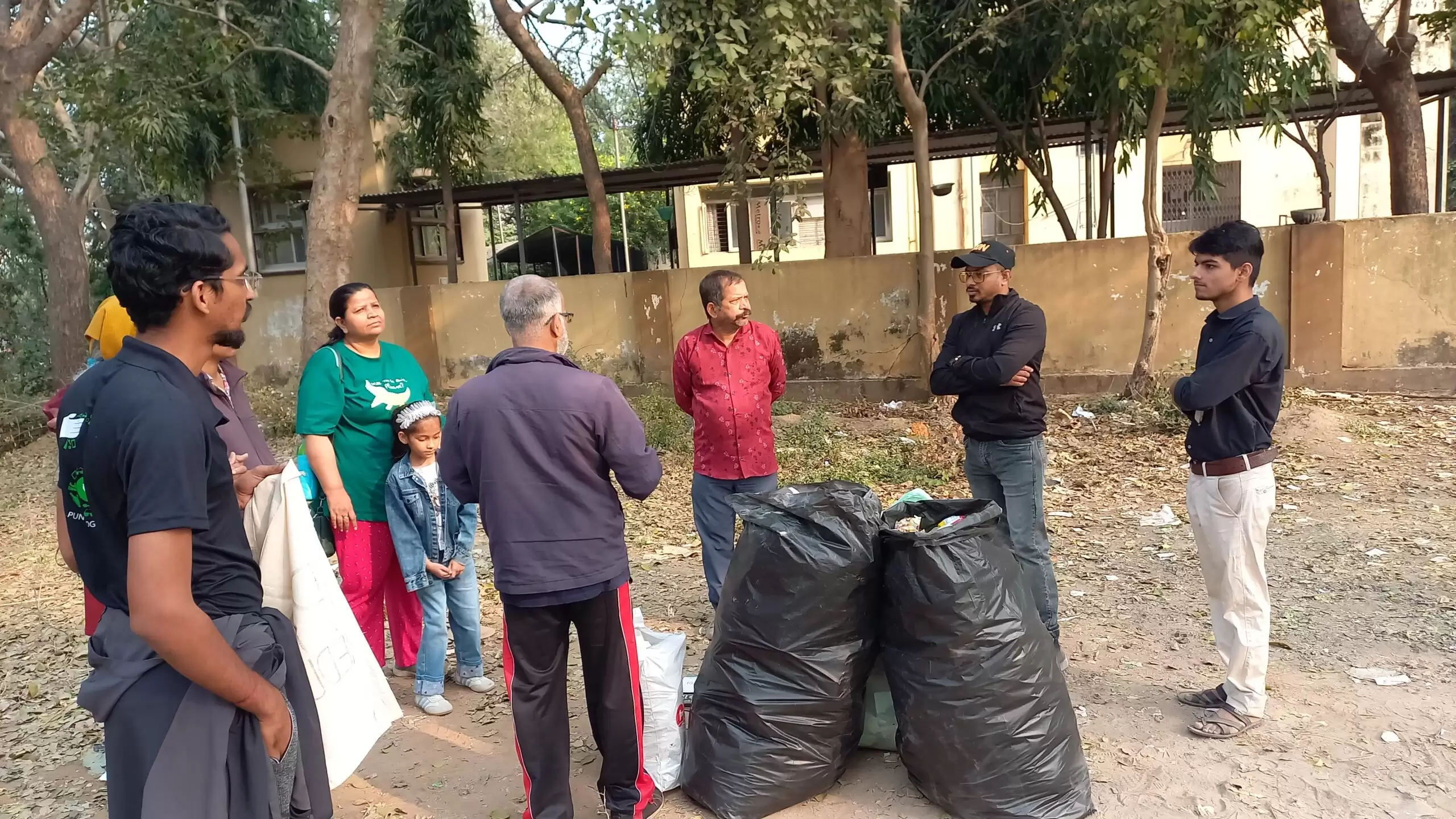
Such is our audacity that we do not think twice while littering the planet with billions of single-use plastics and other waste. These will inhabit the planet for thousands of years to come. This was the near unanimous reponse from most of the participants of the clean-up drive held on the banks of River Vishwamitri on Sunday, 25-Jan-2026.
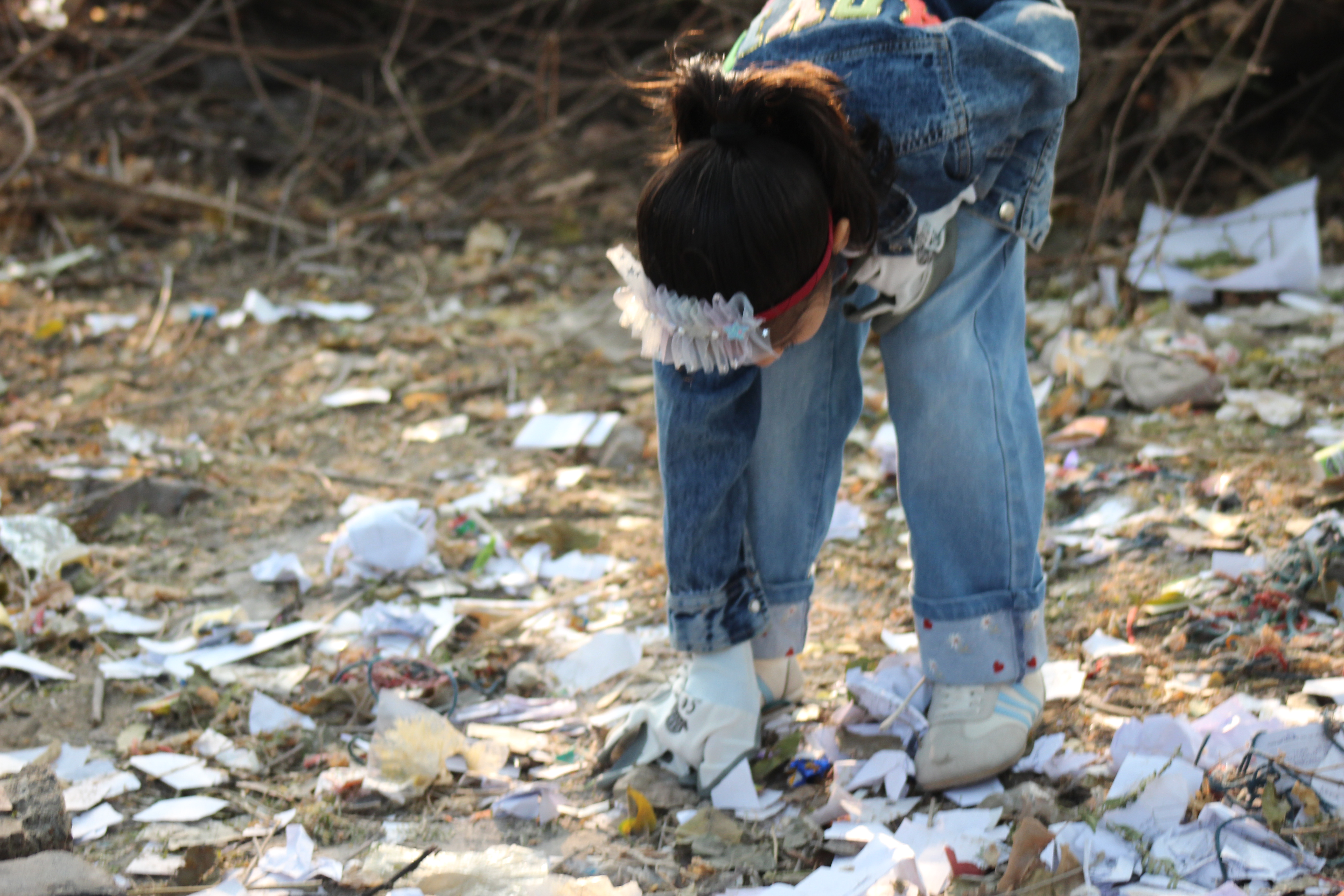
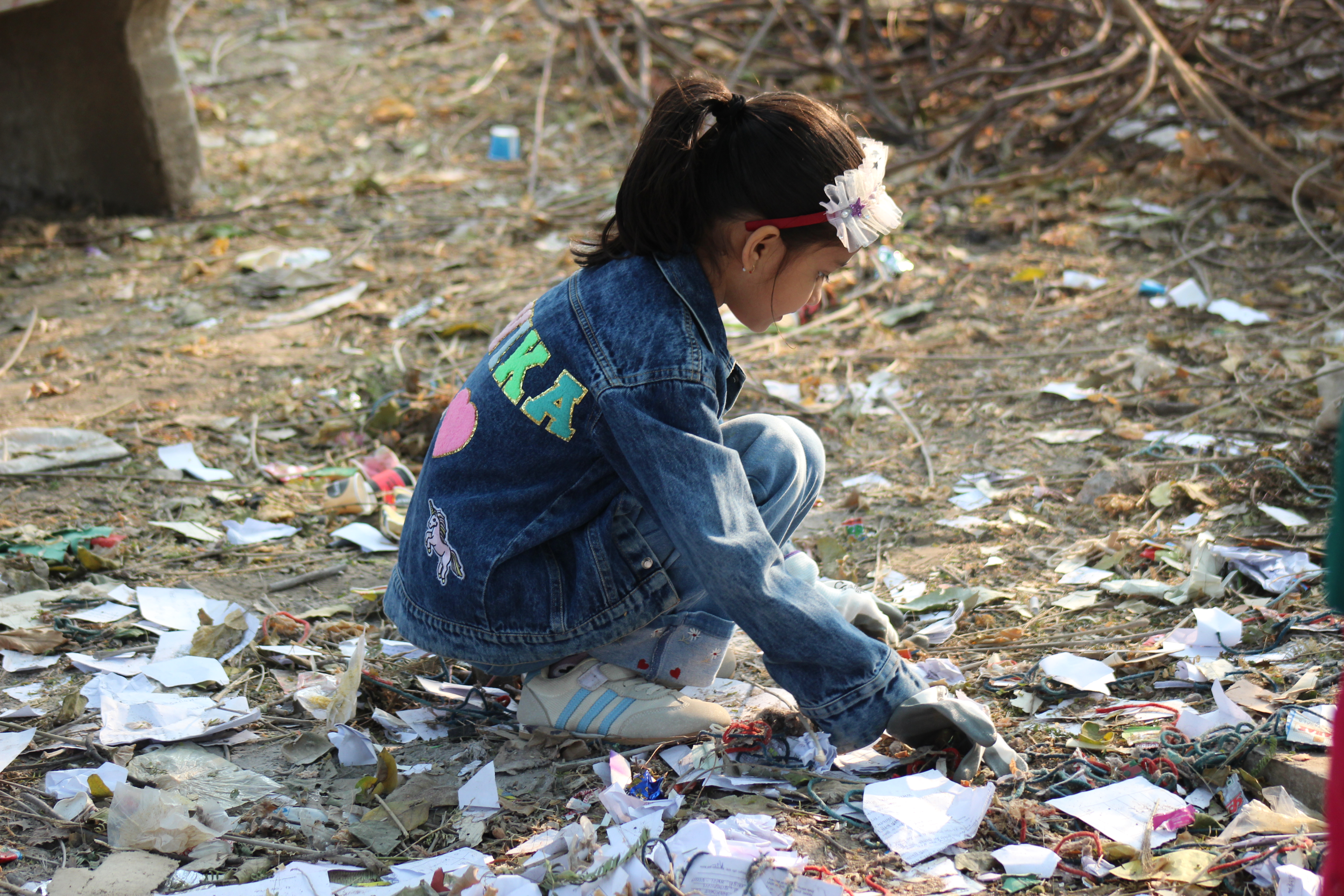
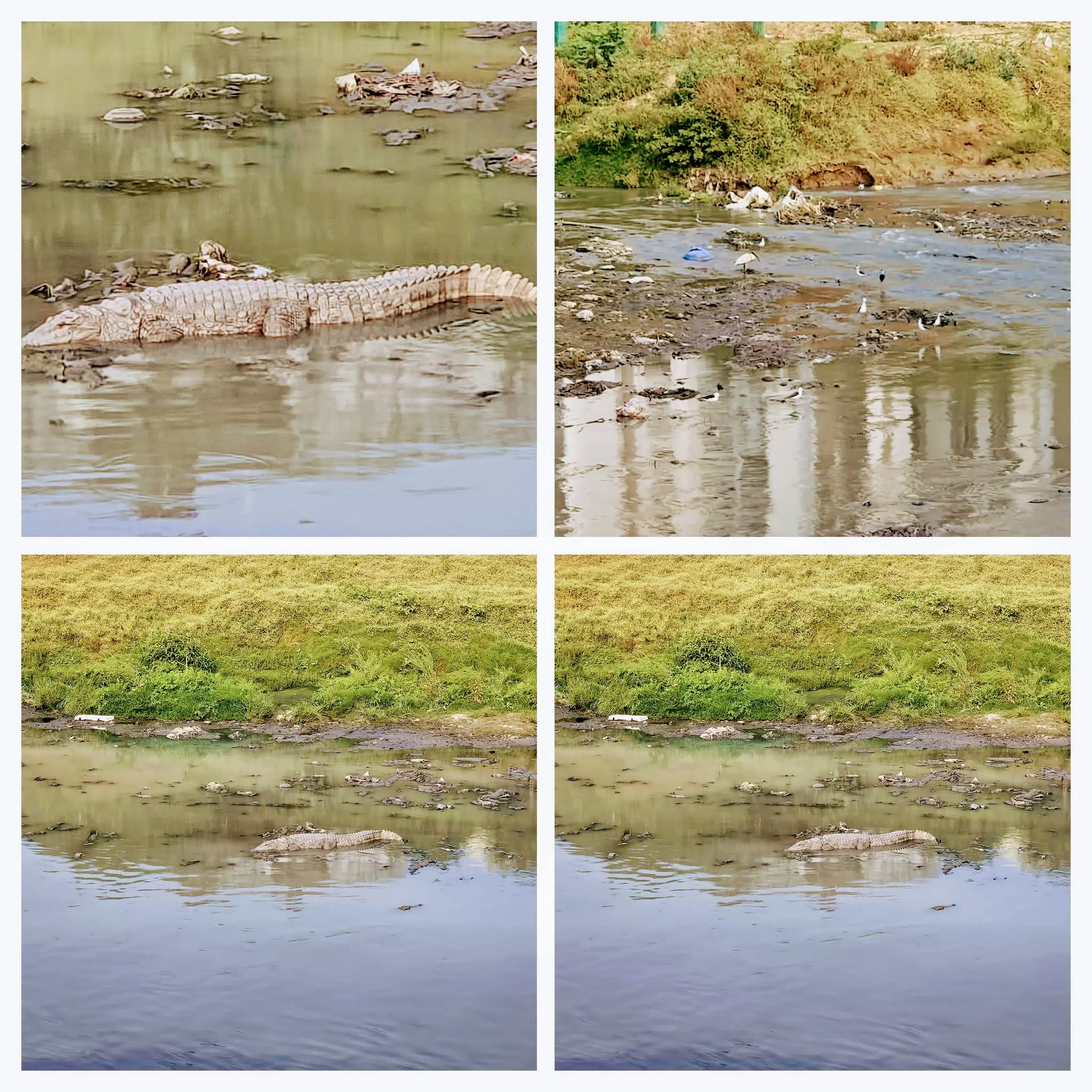
Our youngest participant was a six-year old who woke her mother to be at the clean-up drive as promised. The immediate reason for the enthusiasm was probably about going near the river but that is exactly the reason why we host clean-up drives near places that offer closeness to nature and interconnected ecosystems and then to be able to see how we have made these places so full of waste and filth.
We also had a teacher and researcher Urijit who was accompanied by one of his students Gulshan. We had the nature champions like Vrutangi and a few other friends with us. Balaji helped all of us get started with a quick warm-up.
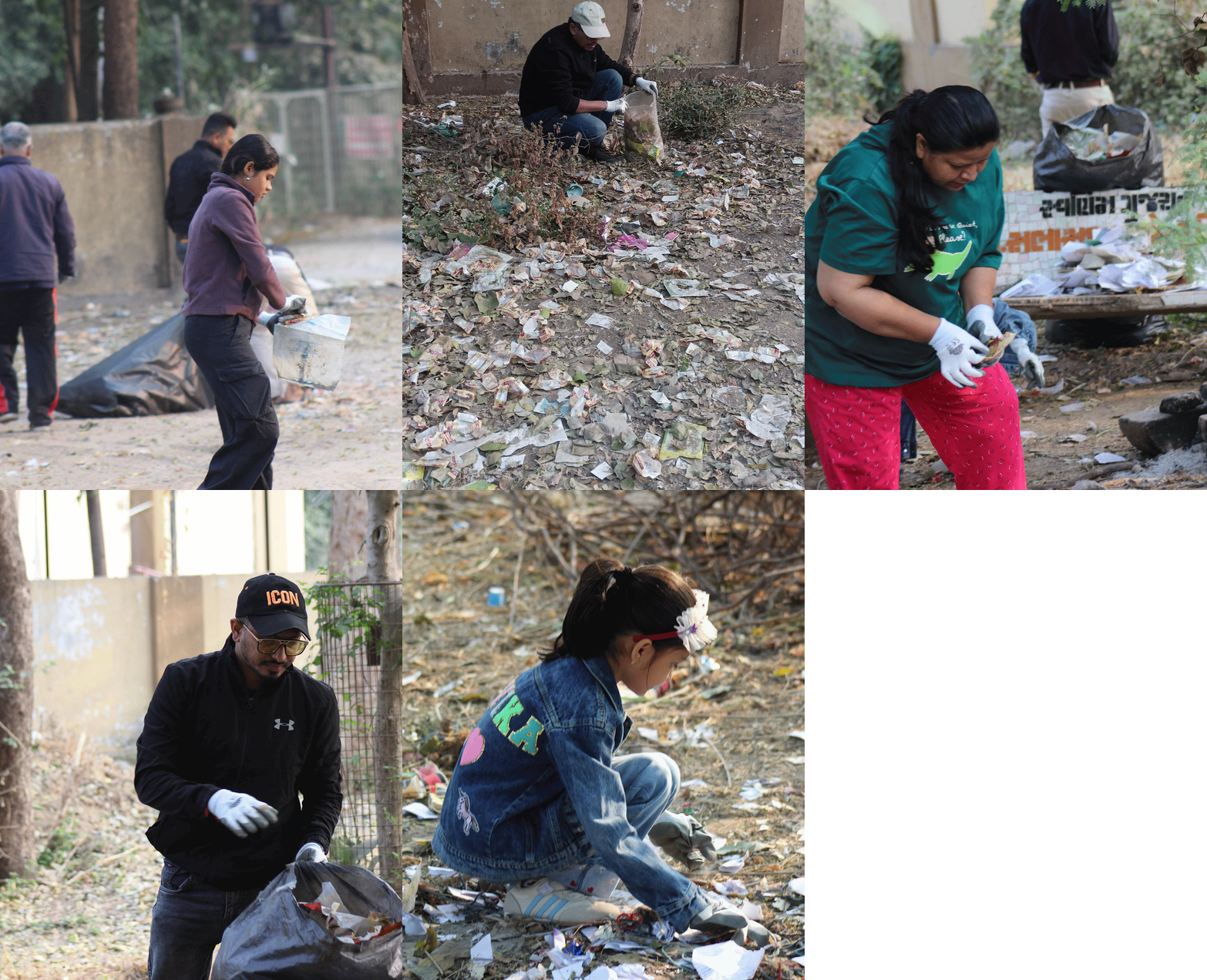
Each time that we are here, the painful reality of the quantum of waste comes to the fore. But this is why we are here, to make more and more people aware about this current reality & then taking action to change it. After a quick briefing about why we conduct the clean-up drives, each participant got to work cleaning the area that had been littered with thousands of parle-g packets – yes we have a lot of animal lovers who come there in the morning and leave the packets there after feeding dogs and monkeys. Yes, we are aware that Parle-G is not good for these animals and we have communicated it to a few whom we meet during our clean-up drives.
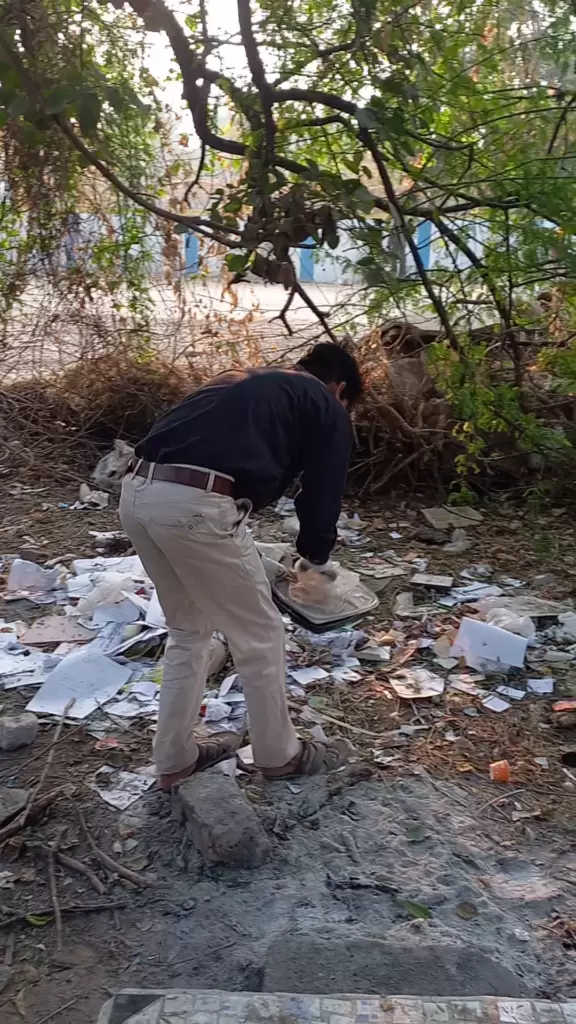
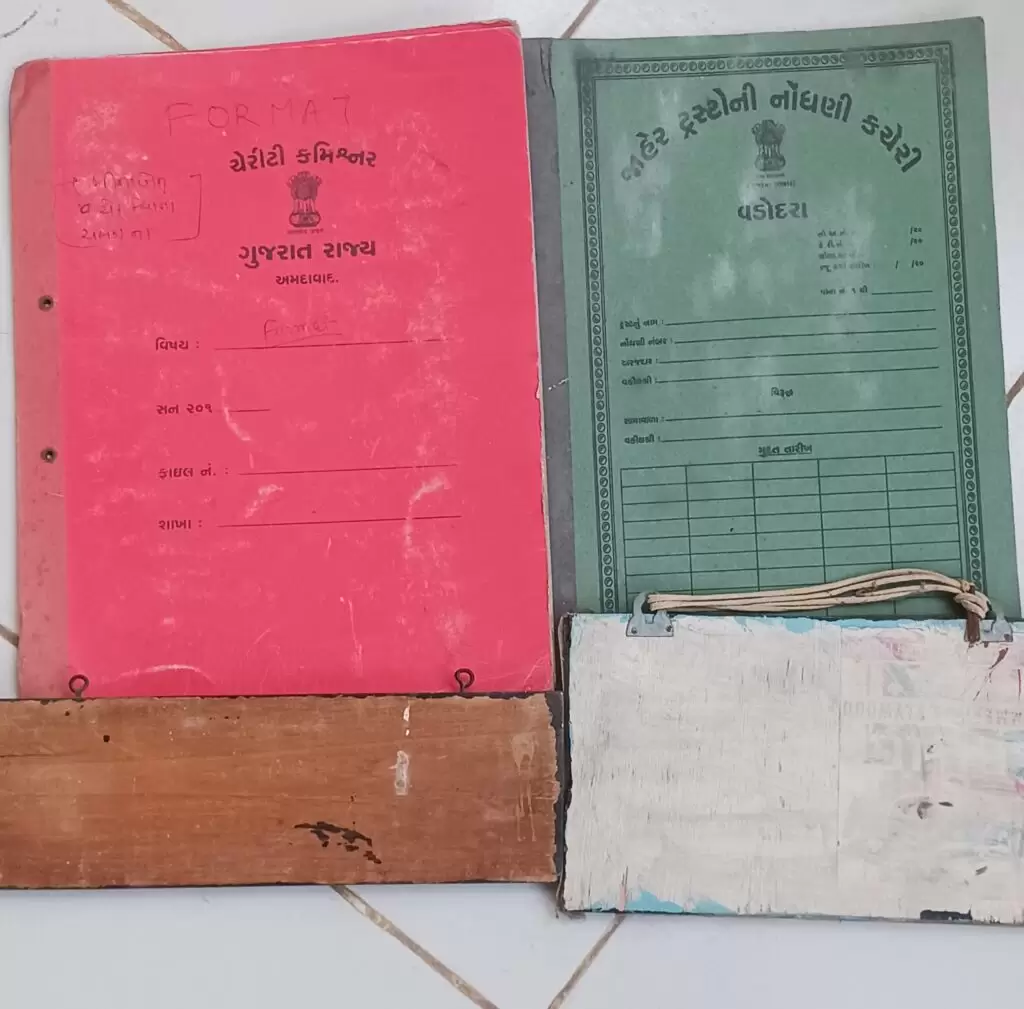
We also had a lot of waste thrown from the government office right there. These included old papers, files and even a stapler in working condition & lot of pens. We salvagedthe stapler, a few working condition pens, two file folders and two wooden name plates (correct) as well.
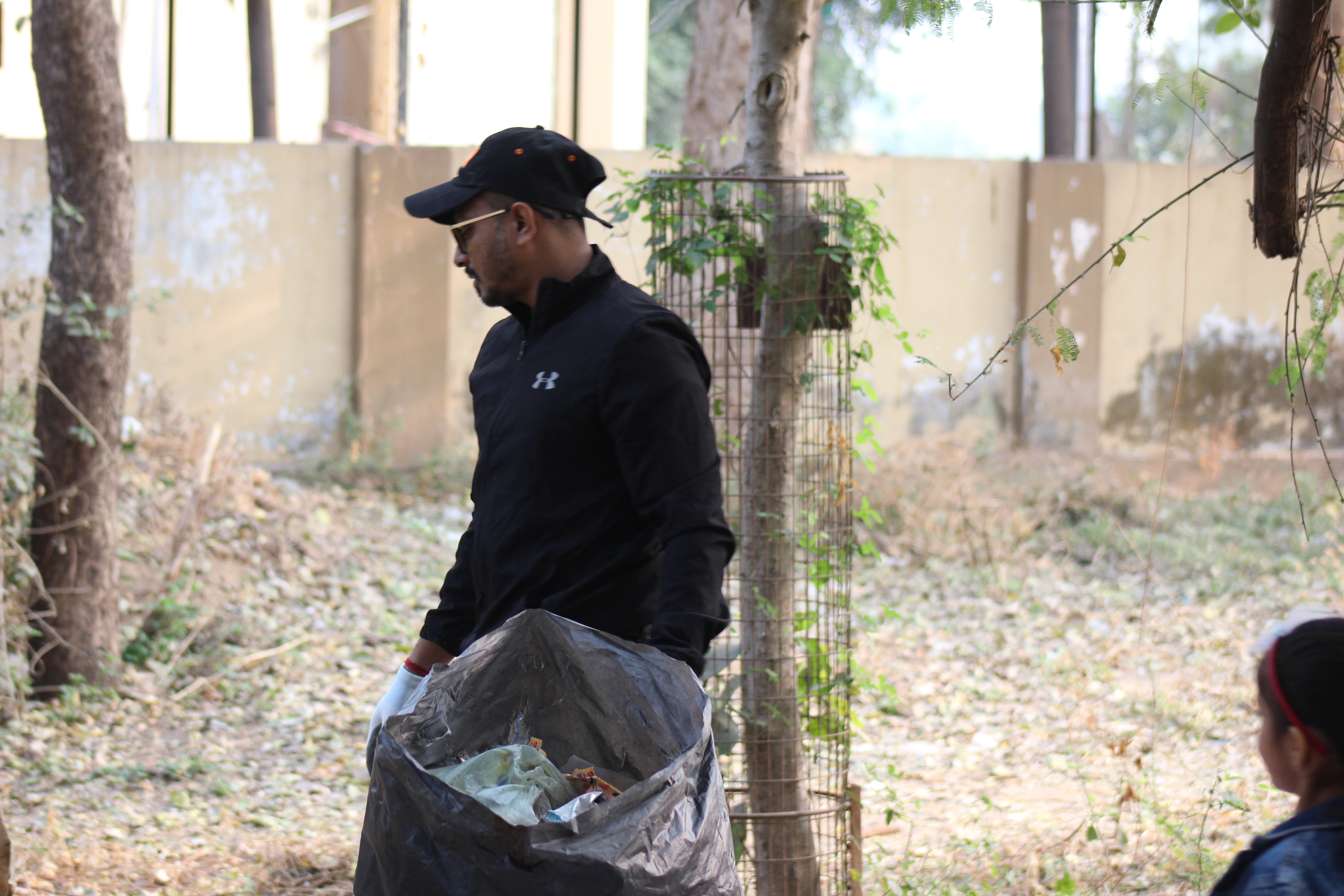
Then we saw a lot of food packets – half-eaten food plates lying there. And then we had a whole lot of about 8-10 kgs of waste – including food and plastic and cardboards and sandwich wrappers offloaded just near the river by some real foodie group. We did not have the stomach to pick it up.
We had great conversation and discussion post the clean-up of about 30 kgs of plastic waste and about 5 kgs of paper waste.
Why Undertake Clean-Up Drives?
Quite frankly, the clean-up drives do not help make a dent to the littering problem that is so wide-spread and so it is a valid question, why even strive for programmes like clean-up drives? We would have been mightly disappointed if the objective of hosting clean-up drives was to make a patch of land “free of litter” or “spick and span”. But thankfully that is not the objective of hosting clean-up drives. The real intent of clean-up drives is to drive the awareness and deepen the connect with nature. We intend to get the participants near nature – rivers, lakes, ponds, trees, grass, animals- so that they can experience the kindness and generosity of nature and how it supports multiple forms of life. We intend that participants experience the ecosystem that we are degrading through our anti-nature and anti-environment habits. Having experienced so, the participants are moved to take care of the nature and take part in clean-up which is symbolic.
The Unintended Impact of Clean-Up Drives
But this is not where it ended. We got to know about some of the unintended consequences of the clean-up drive too!!
A well-intentioned person who feeds the birds there came by in his car. One of our friends from the clean-up drive approached him to ask him to not litter anything there and to put any packets in the bags where we were collecting waste. The person responded that he used to bring the gathiya and sev to feed the birds earlier, however, he was requested by someone participating in the cleanup drive a few months back to avoid sev, gathiya as they are not the right food for the birds. Since then he said, he has been bringing sprouted moong for the birds. Happy birds and no plastic littering too. And we could see parrots, jungle babblers eating up the sprouted moong with gusto.
Another incident took place as we were just leaving when another person came by on his scooter. Again our friend approached him with the same request of not littering there. At once he apologized and picked up the parle-g packets that he had thrown after feeding the dogs.
We do see impact in unexpected places. At times visible and may be not so visible at other times, but we do hope each edition of Clean-up Drive changes us for better and help serve the planet.