
Composting For The Future – July 2025
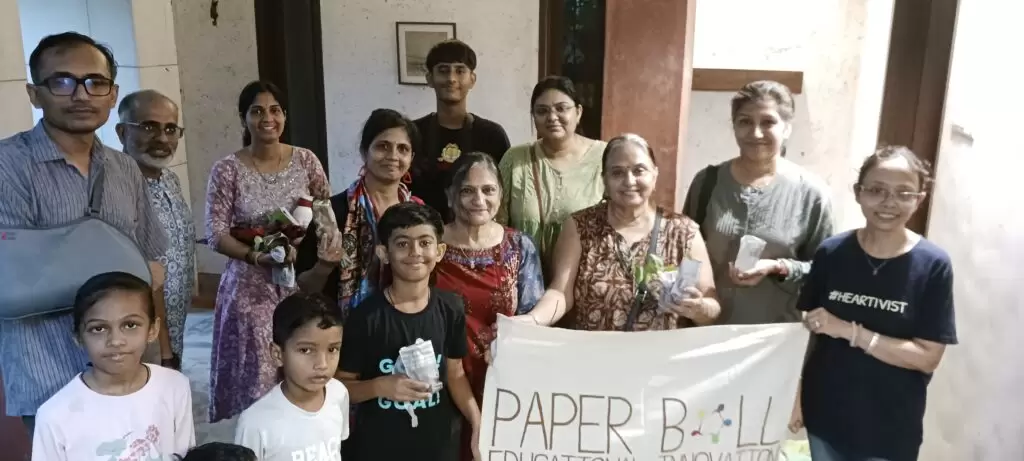
With the theme of “Composting for the Future”, we welcomed about 15 participants for the fourth edition of “It’s Elementary” Knowledge Community series on 26-July-25.
During the initial rounds of introduction, we realized that many of these participants had earlier tried composting at home. However, some of them had either given up composting due to odours, insects, bugs, and similar challenges that are nemesis of the new composters and these deter them from proceeding on this nutrient recycling pathway. Some participants wanted to try to this idea and therefore wanted to understand how they can do it in their homes – some apartment dwellers and others stand-alone. A few participants were experienced but have been facing issues and yet not given up.
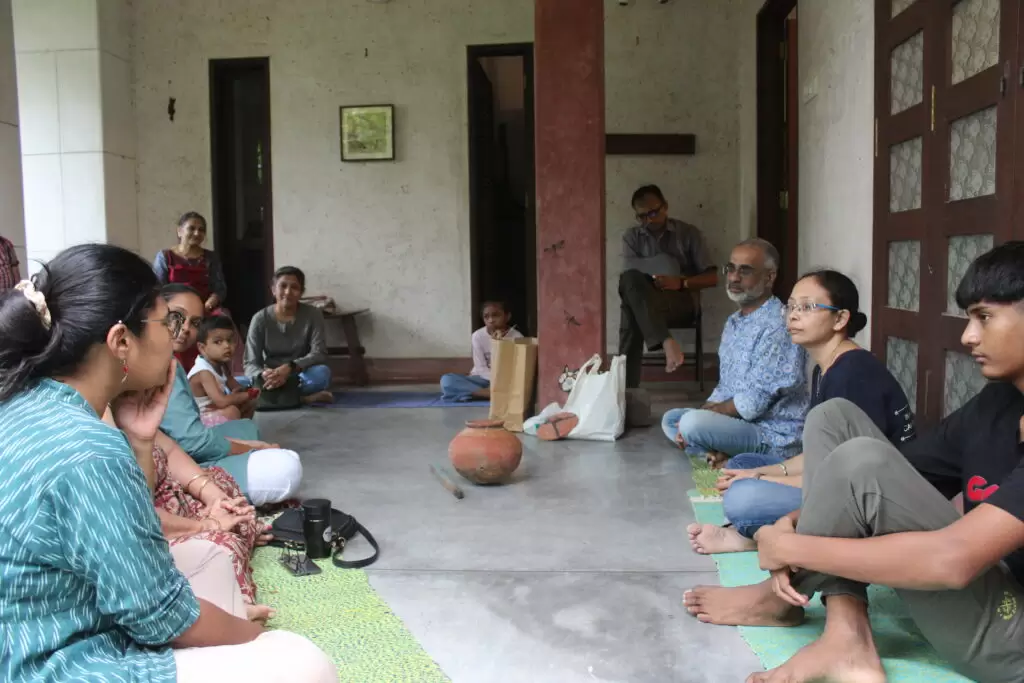
We started with the basics of what composting is and how it can be differentiated from decomposing of organic matter, why burying a banana peel under the soil is not composting. Then we moved to the reasons as to why composting is necessary and how the rotting and decomposing organic waste is a leading emitter of methane, a potent greenhouses gas (GHG) responsible for global warming and climate change. All the participants were pretty sure they wanted to start composting for multiple reasons – reaching their zero waste potential, giving back to Mother Earth, not leaving their food waste out for rotting in the landfills, making use of the space that they have to create compost and then put it in their plants.
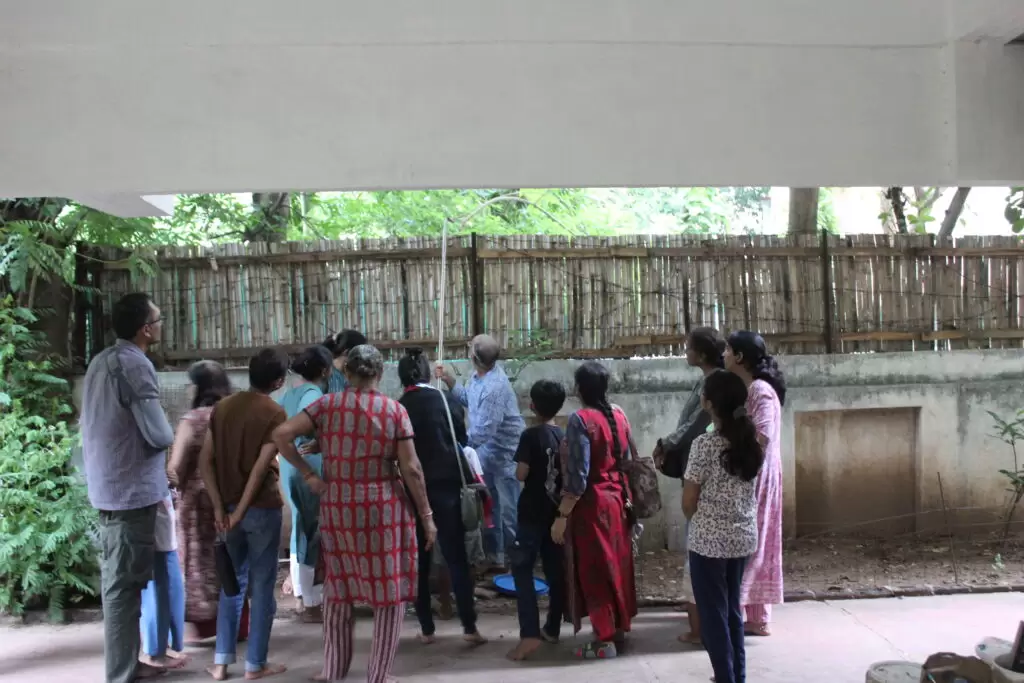
On the way we also answered the questions from the participants, and thereafter moved to the “how” of composting at home. The basics were explained before moving on to the demo. Here, three ingredients of a successful composting process – the ratio of wet & dry waste, aeration and air spaces, and moisture content – were explained briefly.
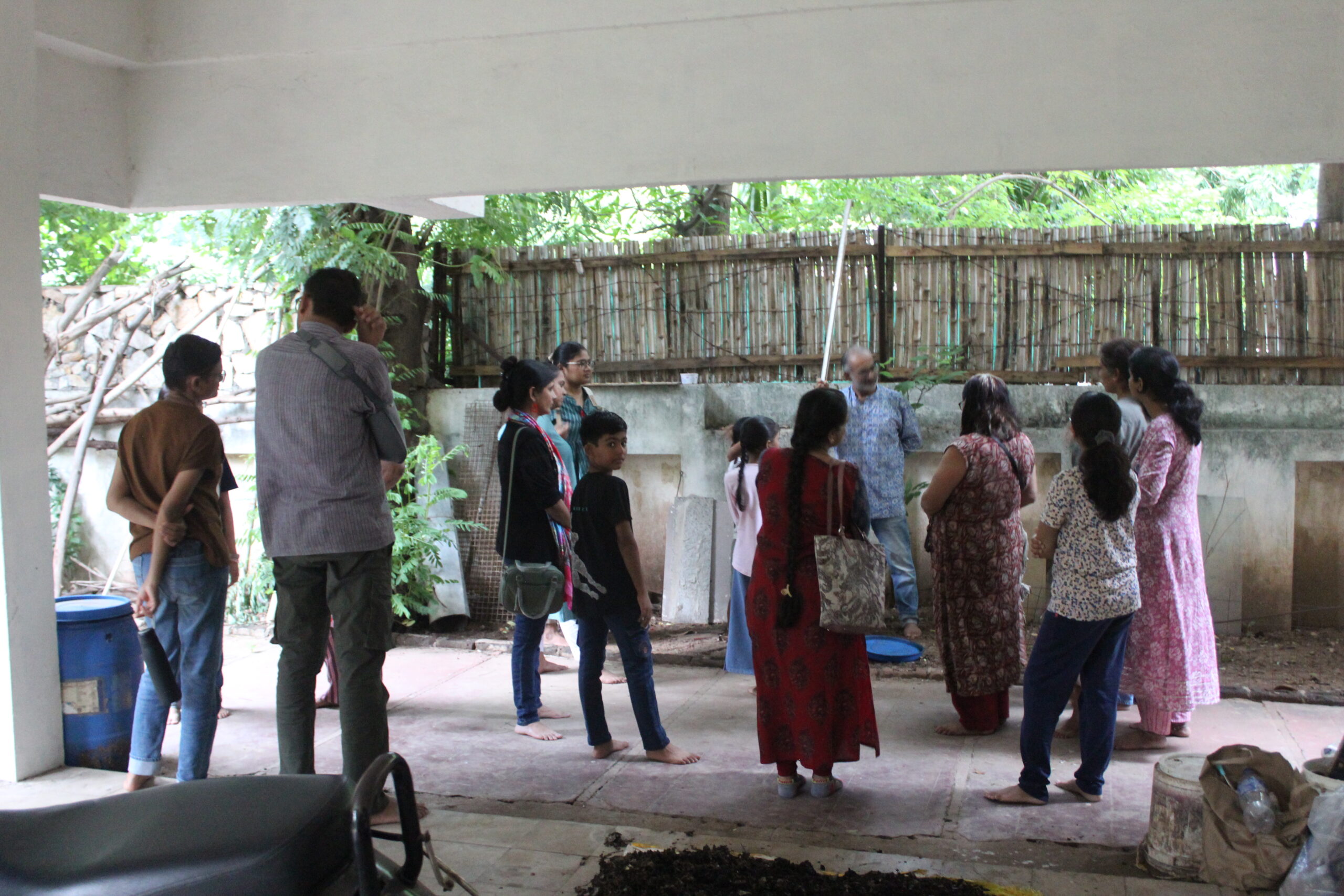
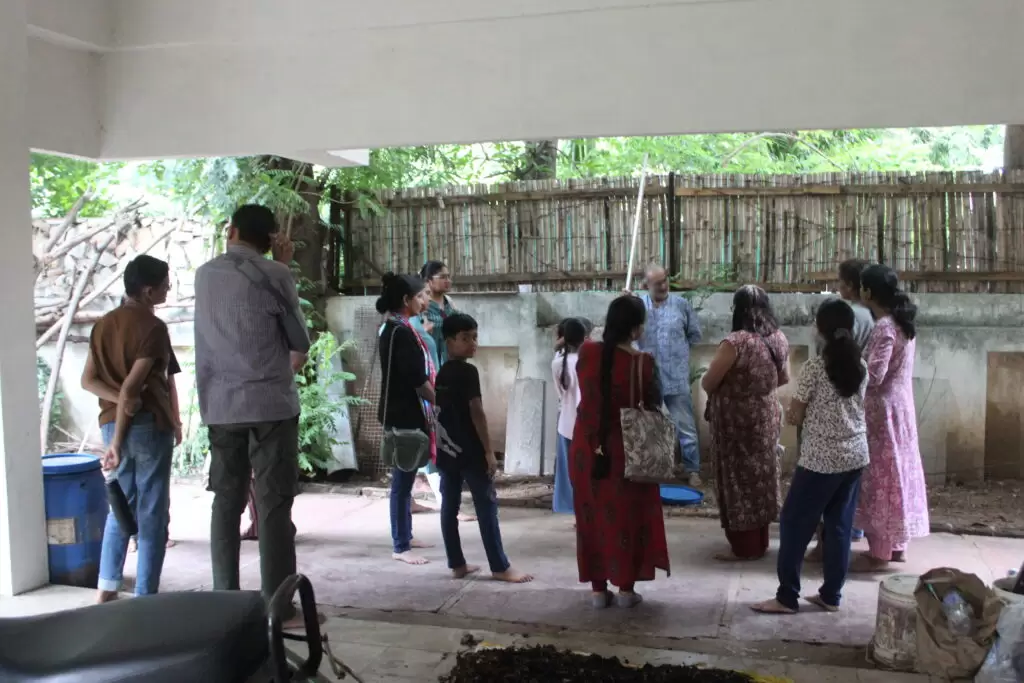
Thereafter, we moved to the demo area for demonstration starting with preparation of the drum or matka.Challenges related to excess moisture in composting bin/compost were also dealt with during the demonstration.
We are very positive that all the participants will take up composting if they are yet to begin and for those who were already undertaking the process will now feel more confident about composting and nutrient cycling.
A side note on the importance of household composting as a means of waste management:
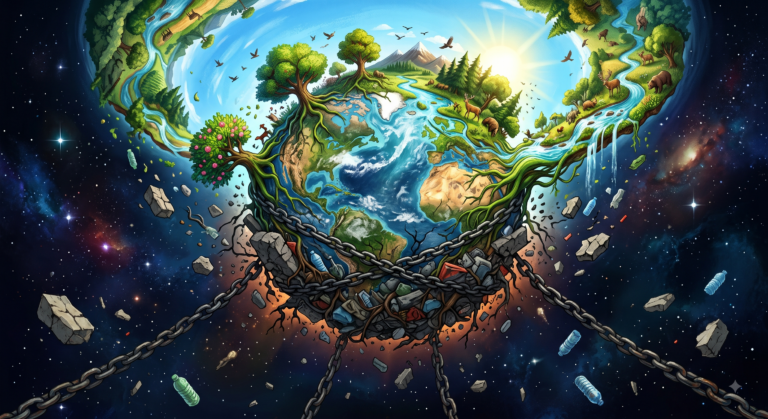
Wet Waste (kitchen waste) is one of the major components of the municipal solid waste (MSW) stream comprising on an average between 50% to 60% of the total MSW. Municipal corporations have generally failed to manage this waste stream and hence it is mostly thrown in landfills (or dumpsites) to decompose & rot and to release methane, one of the most potent Green House Gas (GHG) that is responsible for global warming and hence climate change. Wet waste poses multiple problems – the volume, the odours, being the main, as it it mostly water-filled and begans to decompose very quickly if not managed swiftly. Thus decentralized waste management system like composting at home is a go-to means of managing such waste. Look out for a bigger post on this issue in a few days:)