

Nature Connect
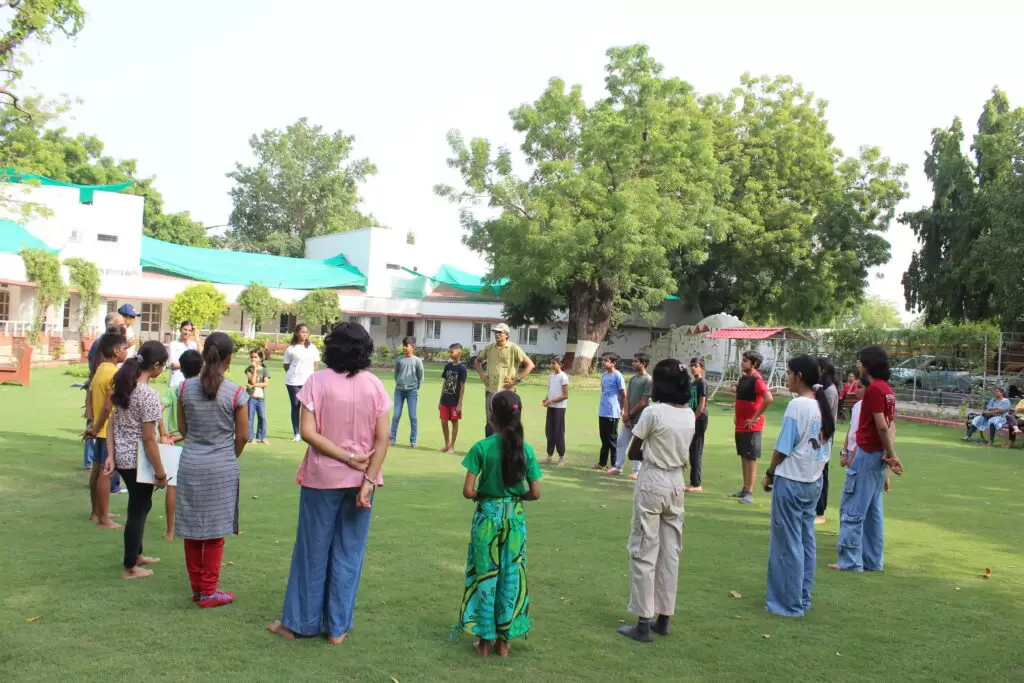
Nature Connect To Care & Conserve
The Intergovernmental Science-Policy Platform on Biodiversity and Ecosystem Services (IPBES) assessment known as the ‘IPBES Transformative Change Assessment’, identifies the top underlying causes of biodiversity loss as:
- the disconnection of people from nature and domination over nature and other people;
- the inequitable concentration of power and wealth;
- and the prioritization of short-term individual and material gains.
But why is connection with nature so important?
Connecting with Nature is one of the most impactful ways to protect, care for, and conserve nature and the environment because connection breeds care. Let’s look at six main reasons why this is so powerful:
1. Connection Sparks Empathy and Responsibility
When people—especially children—spend time in nature, they begin to see it not as a distant “issue” but as something they are part of. Walking through a forest, watching birds, or planting a tree can foster emotional bonds with the natural world. Once someone feels connected, they’re more likely to feel a sense of responsibility to protect it.
“We protect what we love, and we love what we feel connected to.”
2. Nature Becomes Personal, Not Abstract
Environmental challenges like climate change, deforestation, or species extinction can seem too big or distant to act on. But when people experience nature directly, these issues become real and personal—you care about the tree outside your window, the river in your village, or the birds that visit your balcony.
3. Direct Experience Builds Awareness and Understanding
Time spent in nature teaches ecological literacy in ways books or classrooms often can’t. Watching the rhythms of the seasons, the interdependence of plants and animals, and the impact of human behavior on local ecosystems creates a deep, intuitive understanding of how nature works—and why it matters.
4. Nature Nurtures Wellbeing and Gratitude
Being in nature improves mental and physical health, reducing stress, anxiety, and depression. As people experience the healing power of nature, they often develop a sense of gratitude and reverence for it. This emotional connection is a powerful motivator for conservation.
5. It Builds a Lifelong Practice of Stewardship
Those who grow up or regularly engage with nature are more likely to adopt sustainable lifestyles, advocate for environmental policies, and support conservation efforts. This kind of long-term, values-based motivation is more enduring than external pressure or fear-based messages.
6. It Encourages Simple, Yet Powerful Daily Actions
A person connected to nature is more likely to:
- Use resources mindfully
- Avoid littering
- Support local biodiversity
- Educate others
- Vote for green policies
These small but consistent actions, multiplied across communities, have a significant cumulative impact.
How Do We Help Build Connection with Nature?
Paper Ball Educational Innovation has designed three simple but effective projects within the “Nature Connect” Programme to create multiple and varied touch-points to help people from all age-groups strengthen their bond and connect with nature, leading to nature-pro behaviour and increased advocacy.